Telangana is set to be divided into three distinct zones as part of the state government’s ambitious strategy to achieve the goal of a $3 trillion economy by 2047.
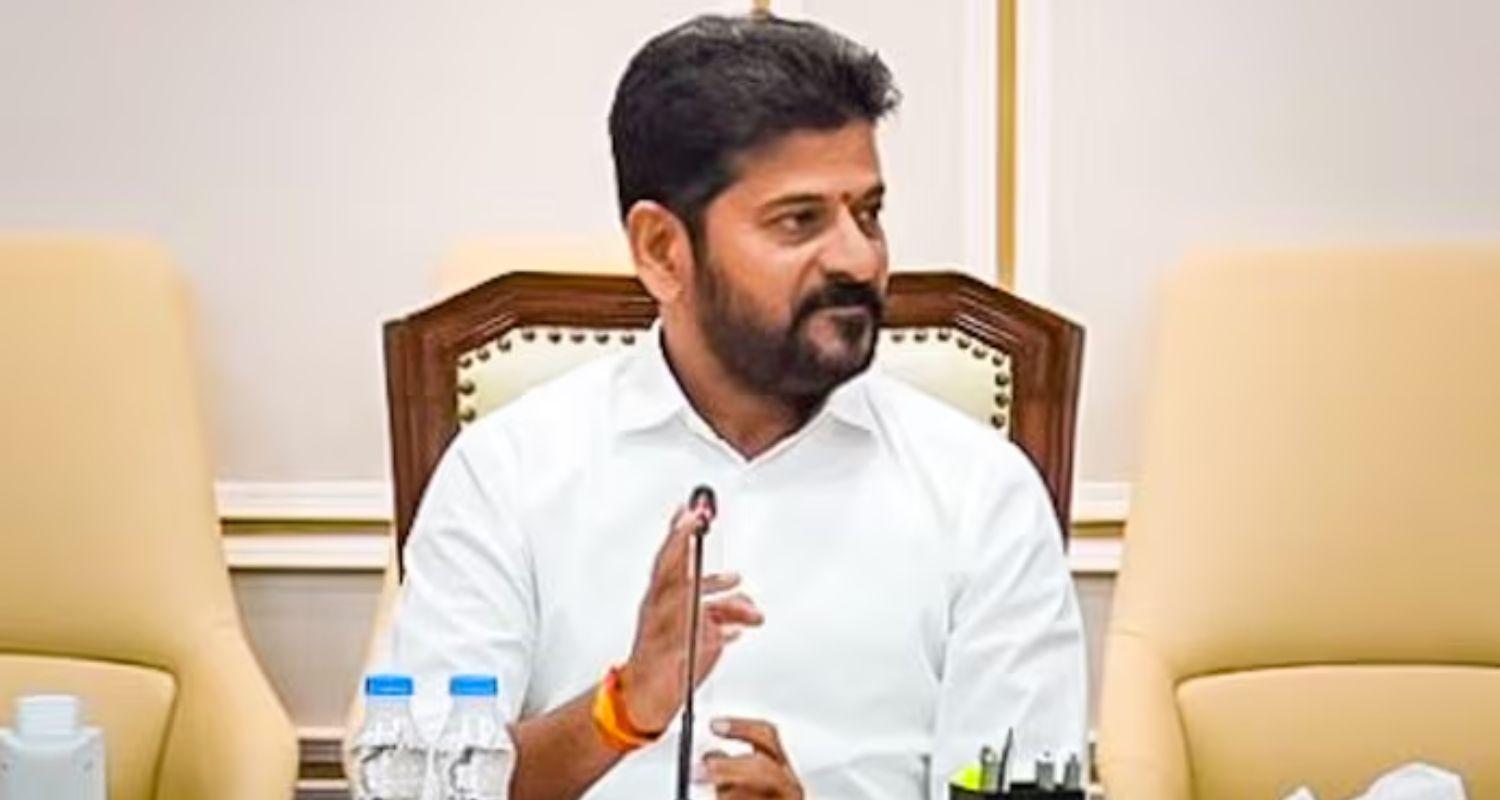
Chief Minister A Revanth Reddy held a review meeting concerning the Telangana Rising 2047 vision document, which is scheduled to be unveiled at the Telangana Rising global summit next month. He directed officials to finalise the roadmap to achieve the interim goal of a $1 trillion economy by 2034 and the ultimate target of a $3 trillion economy by 2047.
To propel the state on its development trajectory, the Chief Minister instructed officials to divide the state into three strategic regions. The document will highlight the development of these three zones— Core Urban Region Economy (CURE), Peri Urban Region Economy (PURE) and Rural Agriculture Region Economy (RARE).
This regional focus is intended to eliminate policy paralysis. Revanth Reddy stressed that the Vision 2047 should be prepared with the goal of sustainable future activity for the coming 22 years and must provide equal opportunities for all. The designs and plans, he insisted, should reflect a realistic perspective.
The government is developing the Bharat Future City, where the global summit will be held on December 8th and 9th. The main objective of the summit is to showcase the immense investment opportunities in Telangana to global investors and detail the benefits of investing in the state during the two-day event.
The summit is being hosted in the Future City to explain opportunities for industrial development across different sectors and announce the various incentives the government is providing.
The Telangana Rising Vision 2047 document will focus on equitable growth, women’s empowerment, youth empowerment, and sustainable development. The vision aims to promote Telangana as the fastest-growing economic hub in India. CM Reddy said that the government will showcase the immense opportunities available, and that the state is moving forward to compete not just with neighbouring states but with economies like China and Japan.
The government believes that sectors such as pharma, life sciences, aerospace, quantum technology, artificial intelligence (AI), startups, MSMEs, tourism, and exports will be crucial drivers for economic growth in the next two decades.
The state’s existing strengths — transparent governance, ease of doing business, and Global Capacity Centres (GCCs) — are already making it a prime destination for investors. The vision document will be based on these strengths to attract further investments. The agriculture sector will also be accorded priority in the document, with the goal of doubling farmers’ incomes and strengthening the rural economy.
To achieve the goal of "Blue & Green Hyderabad" in the Vision 2047 document, the CM said the government targets the restoration of 2,959 ponds, parks, and dwindling forest zones. The goal of "Village 2.0" to provide safe drinking water, clean roads, and solar power lights in the villages will also be prioritised.
Modern transport infrastructure will be a key component, including the development of a Regional Ring Road (described as "Maniharam" for Telangana on the lines of the Outer Ring Road), high-speed mobility corridors, Regional Ring Rail, four industrial corridors, and 11 radial roads. New airports are planned for Warangal, Nizamabad, Adilabad, Peddapalli, and Kothagudem. A state-of-the-art highway connecting Hyderabad (Future City) to Bandar Port in Andhra Pradesh is being seen as a game-changer.
Also read: Saudi bus accident: T'gana Cabinet announces ex gratia of ₹5 lakh


 Follow us