In a dramatic escalation of internal tensions within the Trinamool Congress (TMC), a group of 20 party MPs out of 29 has decided to form a separate bloc in the Lok Sabha, following a high-profile meeting with Union Minister Bhupender Yadav on Monday. The move, seen as a direct challenge to the leadership of Mamata Banerjee and Abhishek Banerjee, stops short of a formal split. Instead, the MPs have opted for a legally cautious strategy — remaining within the party while functioning as an independent faction in Parliament.
According to sources, the decision is aimed at avoiding disqualification under the anti-defection law, which could have been triggered had the MPs directly joined the BJP. Political observers note that the formation of a separate bloc allows the rebels to assert autonomy while maintaining their official party affiliation.
The strategy mirrors a recent development in West Bengal, where 58 TMC MLAs had formed a separate bloc in the Legislative Assembly after refusing to accept Shobhan Chatterjee as the Leader of the Opposition. Instead, they had backed Ritabrata Banerjee for the position.
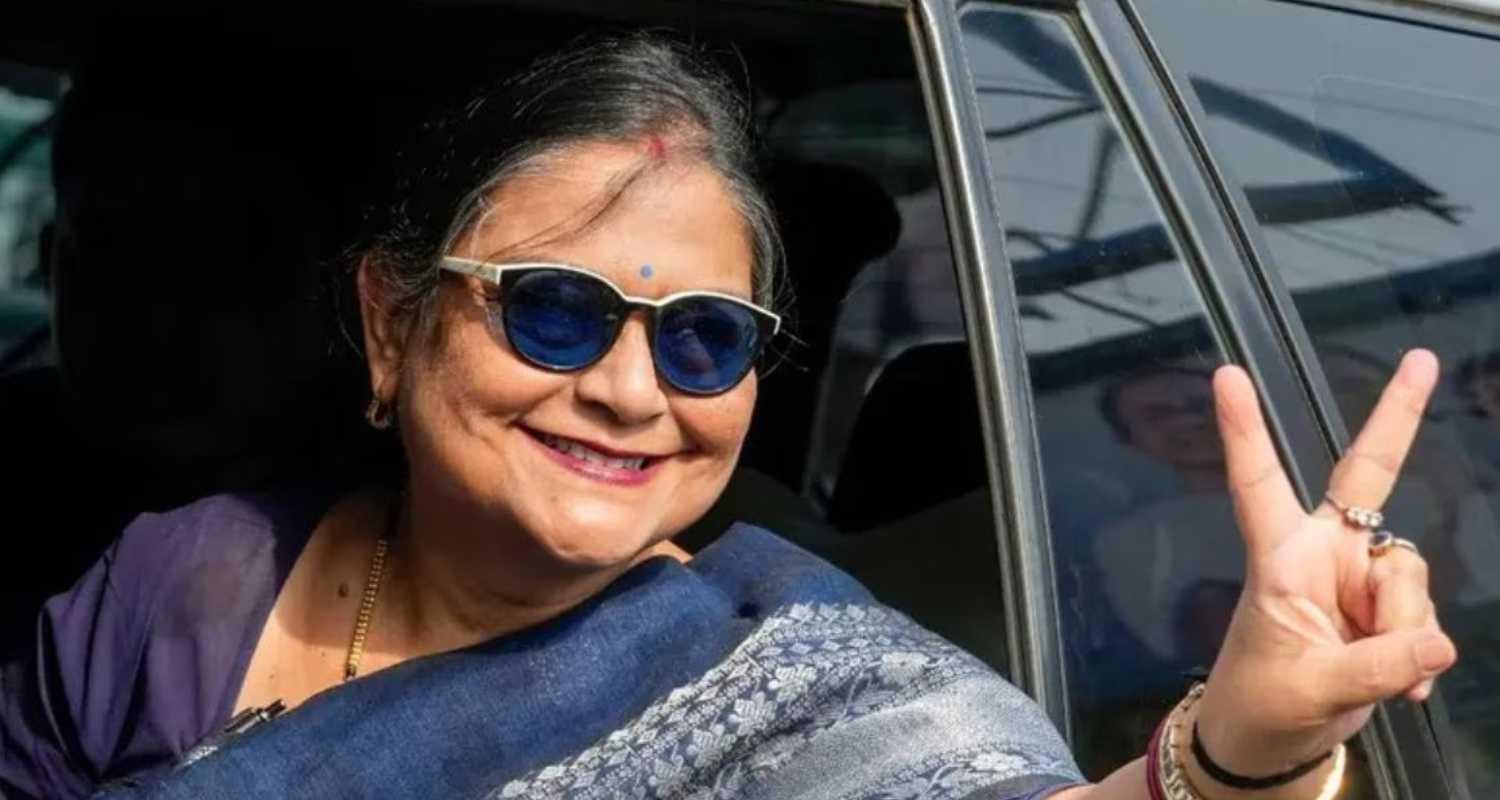
A similar structure is now being adopted in the Lok Sabha. While the newly formed bloc will not have a formally designated leader, Barasat MP Kakoli Ghosh Dastidar is expected to function as its Chief Whip.
The issue of the Chief Whip’s position emerged as a key point of contention during Monday’s meeting. Following the party’s electoral setbacks, Mamata had earlier removed Kakoli from the post of Chief Whip and appointed Kalyan Banerjee in her place. However, rebel MPs and legal advisors aligned with the BJP have argued that the replacement involved significant procedural lapses.
The rebel faction now plans to leverage this alleged irregularity. Sources indicate that the MPs have decided not to follow any directives issued by Kalyan Banerjee and will instead inform the Lok Sabha Speaker that Kakoli remains their legitimate Chief Whip.
The unfolding situation presents a complex legal and constitutional challenge. By forming a separate bloc rather than formally defecting, the MPs have created a grey area that could test the interpretation of parliamentary rules and the anti-defection framework.
The development comes at a politically sensitive moment, with Mamata and Abhishek in Delhi attending a meeting of the INDIA alliance. Analysts suggest that the emergence of a rebel bloc within the Lok Sabha could significantly weaken the party’s central leadership and intensify the ongoing internal crisis.
As the situation evolves, all eyes will be on the response of the Lok Sabha Speaker and the potential legal ramifications of this unprecedented political maneuver.



 Follow us