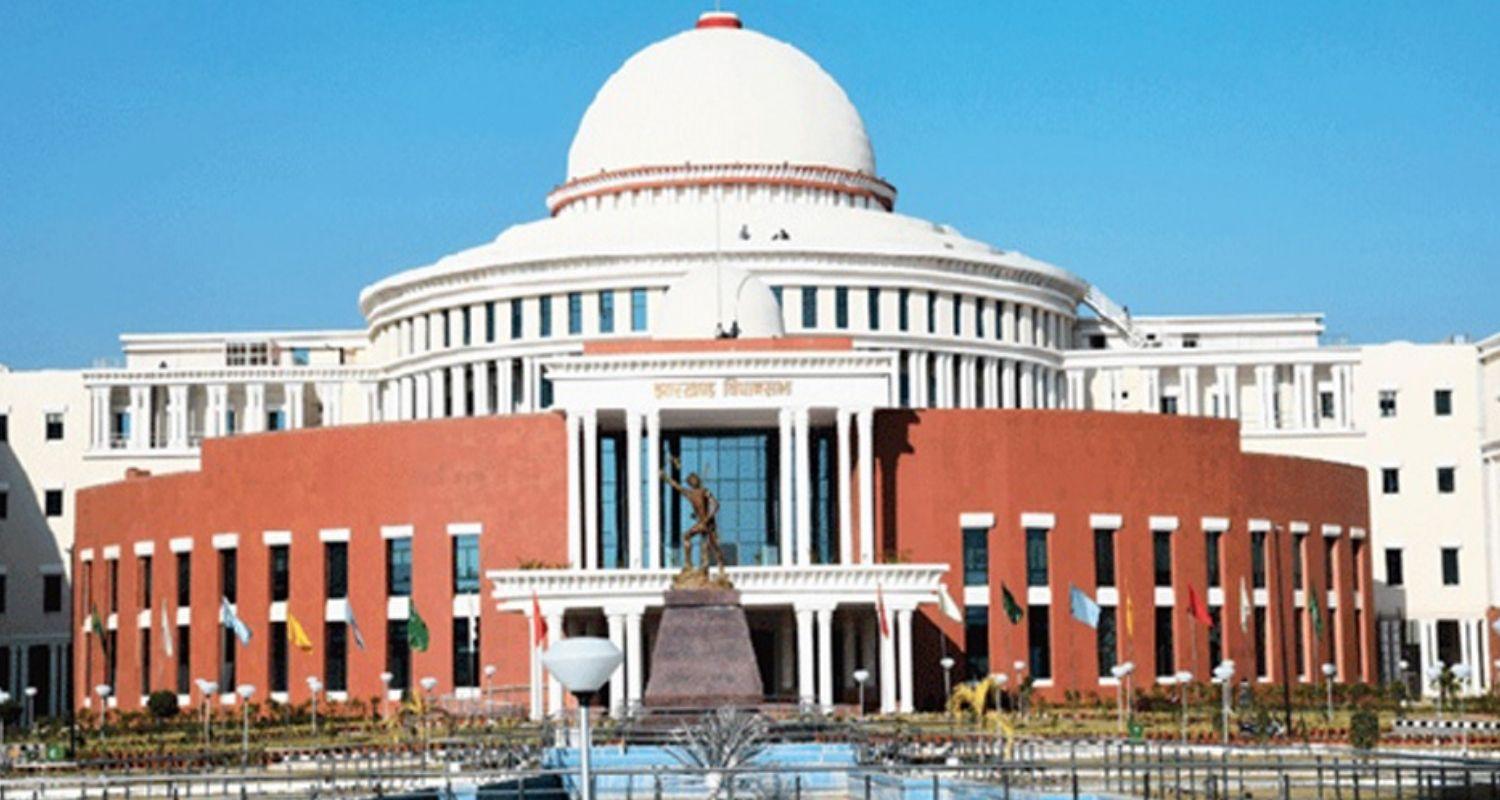
The Jharkhand Legislative Assembly on Wednesday passed a resolution urging the continuation of the Mahatma Gandhi National Rural Employment Guarantee Act (MGNREGA) in place of the proposed VB-G RAM G Act, citing concerns over rural livelihoods and state finances.
The resolution was introduced by Rural Development Minister Deepika Pandey Singh through the Assembly secretariat, and also appealed to the Centre to enhance the guaranteed employment period under MGNREGA from 100 to 150 days annually.
According to the resolution presented in the House, the Centre has enacted the VB-G RAM G Act as a replacement for MGNREGA. However, a detailed review by the state found that several provisions of the new legislation could adversely impact employment guarantees, protection of person-days, the powers of gram sabhas, and Jharkhand’s financial interests.
The Assembly asserted that the existing MGNREGA framework remains more aligned with the state’s rural employment needs and should therefore be retained.
The resolution referred to a stakeholder consultation held on January 5, 2026, involving Deputy Development Commissioners, Block Development Officers, Panchayat representatives, and other stakeholders.
The review highlighted multiple concerns regarding the new Act, including the removal of the legal guarantee of employment on demand, a potential reduction in the number of workdays due to changes in allocation systems, and adverse implications for women’s empowerment and migration trends.
Also read: JMM likely to field over 30 candidates in Assam elections
It further noted that the proposed 60:40 funding model—where 40 per cent of the cost would be borne by the state—would place an additional financial burden on Jharkhand.
The Assembly also expressed apprehension that the new law could dilute the powers of gram sabhas in Scheduled Areas under PESA, which currently allows them to undertake a wide range of locally relevant works.
Additional concerns included the provision restricting employment during the agricultural season for up to 60 days, which could disproportionately affect landless labourers.
The resolution also flagged potential technical challenges arising from biometric and geospatial monitoring systems, particularly in remote rural areas, which could delay wage payments.
The Assembly further underscored the symbolic and philosophical importance of retaining the name of Mahatma Gandhi in the programme, stating that its removal would weaken the underlying vision of uplifting the most marginalised sections of society.
Emphasising the need to strengthen rural employment, the House unanimously called for extending the guaranteed work days under MGNREGA to 150 days.



 Follow us