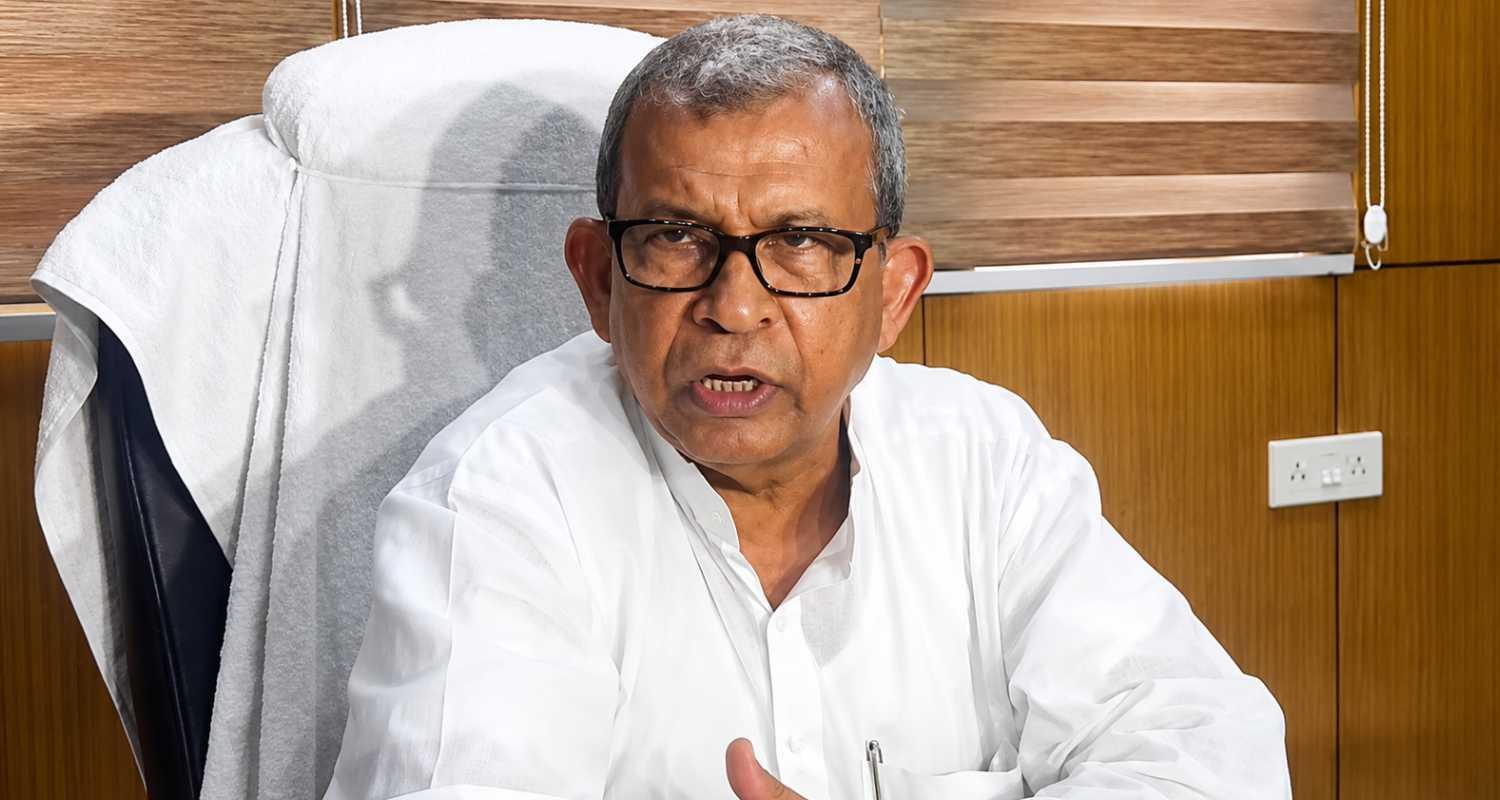
Trinamool Congress (TMC) is facing a deepening internal crisis, marked by a wave of defections and sweeping organisational changes. In what appears to be a significant setback for the ruling party, it has been hit by a double blow on Saturday night—veteran leader Manas Bhunia has resigned from the party, while MP Saayoni Ghosh has been removed as the president of its youth wing.
On Saturday, former Sabang MLA Bhunia submitted his resignation letter to party supremo Mamata Banerjee, formally stepping down from the primary membership of the party. In a strongly worded statement following his exit, Bhunia cited ideological differences and internal controversies as reasons behind his decision.
“I engage in politics based on principles. Given the current situation, it is impossible to remain in this party. I have my own dignity. I entered politics to serve the people. However, considering the issues surfacing from within the party, I can no longer continue as a primary member,” Bhunia stated, alluding to allegations of corruption and ongoing scandals within the organisation.
Even before the party could absorb the shock of Bhunia’s departure, another major development unfolded within its youth wing. Saayoni was removed from the post of youth president, with Arnab Banerjee being appointed as her successor.
Amid growing signs of dissent, the party leadership has initiated a series of organisational reshuffles at the district level in an apparent bid to regain control and restore stability. One of the most notable changes has taken place in North Kolkata, where Beleghata MLA Kunal Ghosh has been appointed as the new district president.
The move is being viewed as politically significant, particularly in the context of recent tensions involving senior leader and MP Sudip Bandyopadhyay’s meeting with the BJP leadership in Delhi on Saturday. Until now, the North Kolkata unit was managed by a core committee headed by Bandyopadhyay, who had earlier served as the district president. The decision to entrust Ghosh with sole responsibility marks a clear shift in the party’s organisational strategy.
In addition to district-level changes, the Trinamool leadership has also reshuffled its national structure. As part of this recalibration, senior leaders Saugata Roy and Jyotipriya Mallick have been inducted into the party’s National Working Committee, the apex policy-making body. Furthermore, Roy has been appointed as an advisor to the party’s Lok Sabha unit.
From the resignation of a seasoned leader like Bhunia to the removal of Saayoni and the strategic elevation of Ghosh, the developments point to a comprehensive internal overhaul within the Trinamool Congress. The party appears to be in damage-control mode as it attempts to contain dissent and reassert organisational discipline.



 Follow us