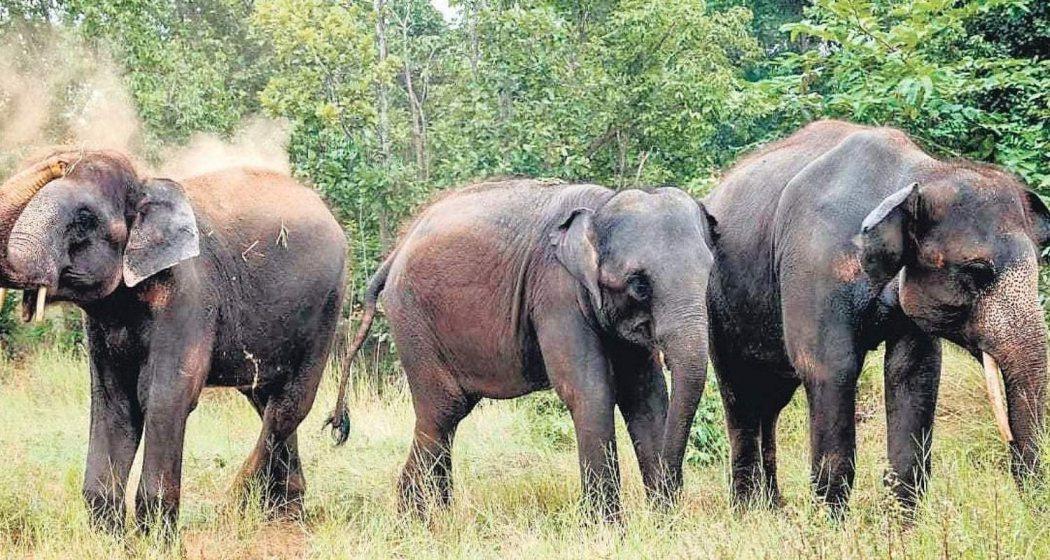
Jharkhand is set to implement an artificial intelligence-enabled elephant alert system to reduce human-elephant conflicts, modelled on a successful initiative in Chhattisgarh.
The first AI-based camera and hooter setup will be installed near Rajabasa village in the Chakulia Range of the Jamshedpur Forest Division as a pilot project. According to Forest Department officials, the system uses AI cameras to automatically detect elephants entering a designated area and trigger hooters to warn nearby villagers.
The aim is to give families enough time to protect themselves, their property, and their livestock. Five solar-powered cameras will initially be installed around the village, and the system can be monitored remotely through a laptop or mobile application even during power outages.
If the project proves successful, it will be expanded to other elephant-prone areas including Ghatshila, Potka and Bodam. The system is designed to distinguish elephants from humans or other animals, reducing the chances of false alarms.
Warning sirens will sound in two stages: first for 20 seconds when elephants are around four kilometres away, and then for 40 seconds when they approach within two kilometres. Chakulia, located in the Kolhan region, witnesses regular elephant movement, often with herds of 15–20 or more, particularly when elephants cross over from neighbouring West Bengal.
The area has reported frequent incidents of human-elephant conflict leading to casualties and significant damage. Separately, the Chakradharpur Division of South Eastern Railway is also rolling out an AI-powered Elephant Intrusion Detection System to prevent elephants from being struck by trains.
The system, using fibre optics and sensors, has successfully completed trials along the Barabamboo–Chakradharpur–Lotapahar section and will alert train drivers in real time to reduce speed and avoid collisions.
Also Read: ‘Imprecise’ Tagore statue at Ranchi’s Rabindra Bhavan sparks row



 Follow us