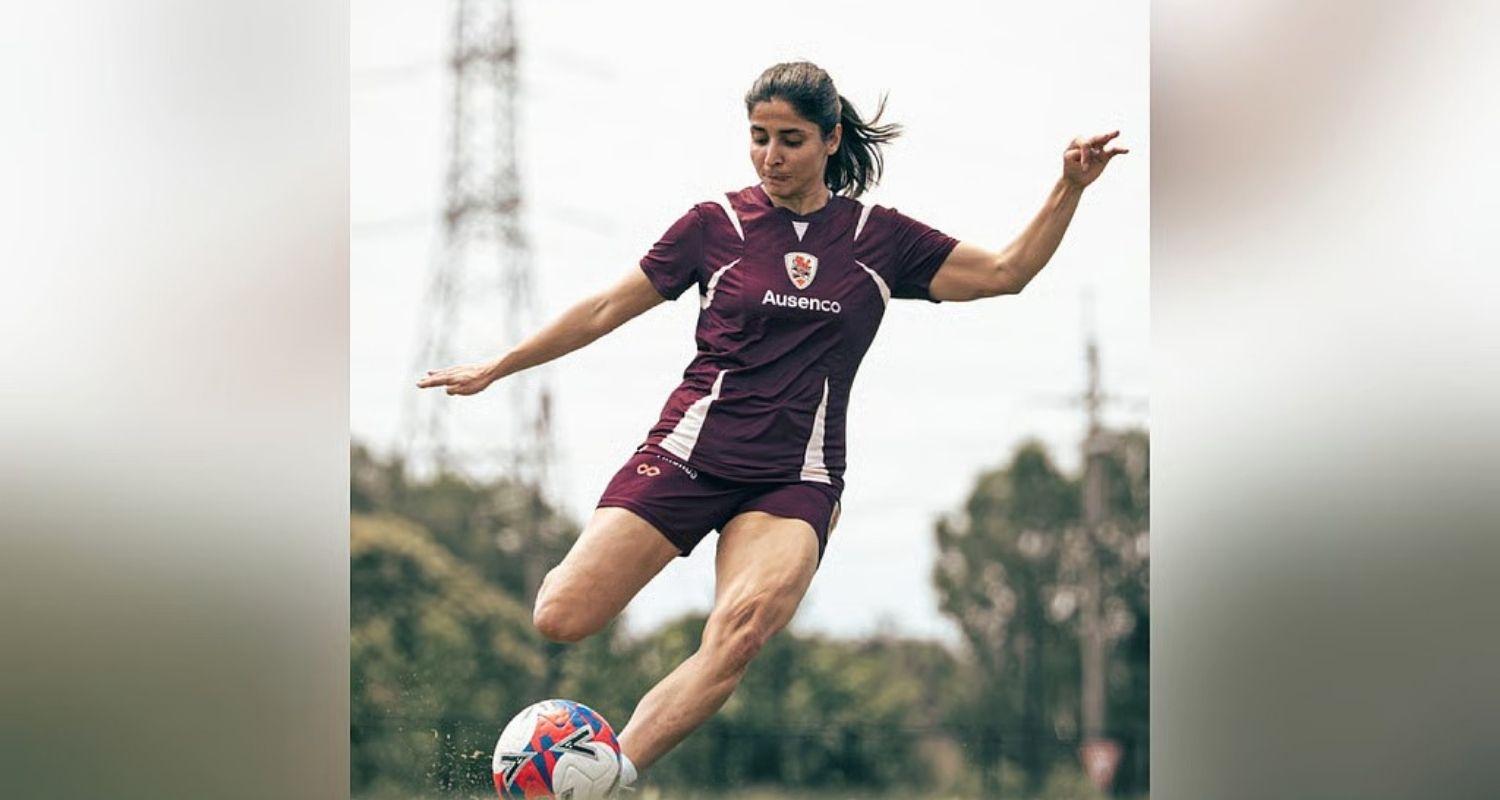
Two members of Iran’s women’s national football team have taken part in a training session with a professional club in Brisbane, marking their first publicly shared appearance since it was revealed they had been granted asylum in Australia.
Fatemeh Pasandideh and Atefeh Ramezanisadeh were seen smiling in photos posted on Monday on Instagram by Brisbane Roar, wearing the club’s colours as they stood alongside players from its elite women’s squad.
After Australia offered humanitarian visas to most of the squad, seven initially accepted before five later reversed their decisions and chose to return to Iran.
Brisbane Roar, which competes in the A-League Women, welcomed ‘Fatemeh and Atefeh’ in its Instagram post, adding a lioness emoji—a reference to the nickname often associated with the Iranian players.
“We remain committed to providing a supportive environment for them as they navigate the next stages,” said club CEO Kaz Patafta. Both players responded in the comments, with Ramezanisadeh writing, “Thank you for everything.”
The club declined to provide further details, directing inquiries to Australia’s Department of Home Affairs. Last week, it had said on social media that it would offer the players ‘a place to train, play and belong’.
Officials confirmed the pair have been moved to an undisclosed, secure, location and are receiving government support. While neither has spoken publicly, Pasandideh shared an Instagram photo on Monday featuring herself with FIFA Chief Football Officer Jill Ellis, captioned with the words, “Everything will be fine.”
Meanwhile, the rest of the Iranian squad is heading home. The team had arrived in Australia for the continental tournament shortly before the outbreak of war in Iran on February 28. They drew widespread attention when some players remained silent during the national anthem before their opening match.
The silence was interpreted by some as a gesture of protest and by others as a sign of mourning. The players did not explain their actions and sang the anthem in their subsequent matches.
Following their exit from the competition and the prospect of returning to a country facing bombardment, calls mounted for Australia to grant the players asylum. Iranian diaspora groups and U.S. President Donald Trump voiced concerns about their safety, citing comments by Iranian sports commentator Mohammad Reza Shahbazi, who had labeled the players ‘wartime traitors’ on television for not singing the anthem.
An Iranian official rejected claims that the players would face danger upon returning. “Iran welcomes its children with open arms and guarantees their security,” First Vice President Mohammad Reza Aref said. “No one has the right to interfere in the family affairs of the Iranian nation.”
Also read: Harshit Rana to miss major part of IPL 2026 due to knee injury
The situation followed a chaotic asylum process in which Australian authorities publicly disclosed details of their offers before the team left the country, including private airport meetings with individual players without the team officials present. Initially, six players and one staff member accepted humanitarian visas and assurances of permanent residency, while the rest of the squad departed Sydney for Kuala Lumpur on March 10.
However, within days, five of those who had accepted the offers changed their minds and rejoined the team in Malaysia. No official explanation was given, though Australian media reported suggestions from local Iranian groups that the players may have been pressured by authorities in Tehran.
The remaining team members flew from Kuala Lumpur to Oman on Monday night, with arrangements handled by the Iranian embassy, according to Asian Football Confederation General Secretary Windsor John.
When asked about the players’ safety, John said both the Confederation and FIFA would continue to monitor their well-being through Iran’s football federation, adding, “They are our players as well.”



 Follow us