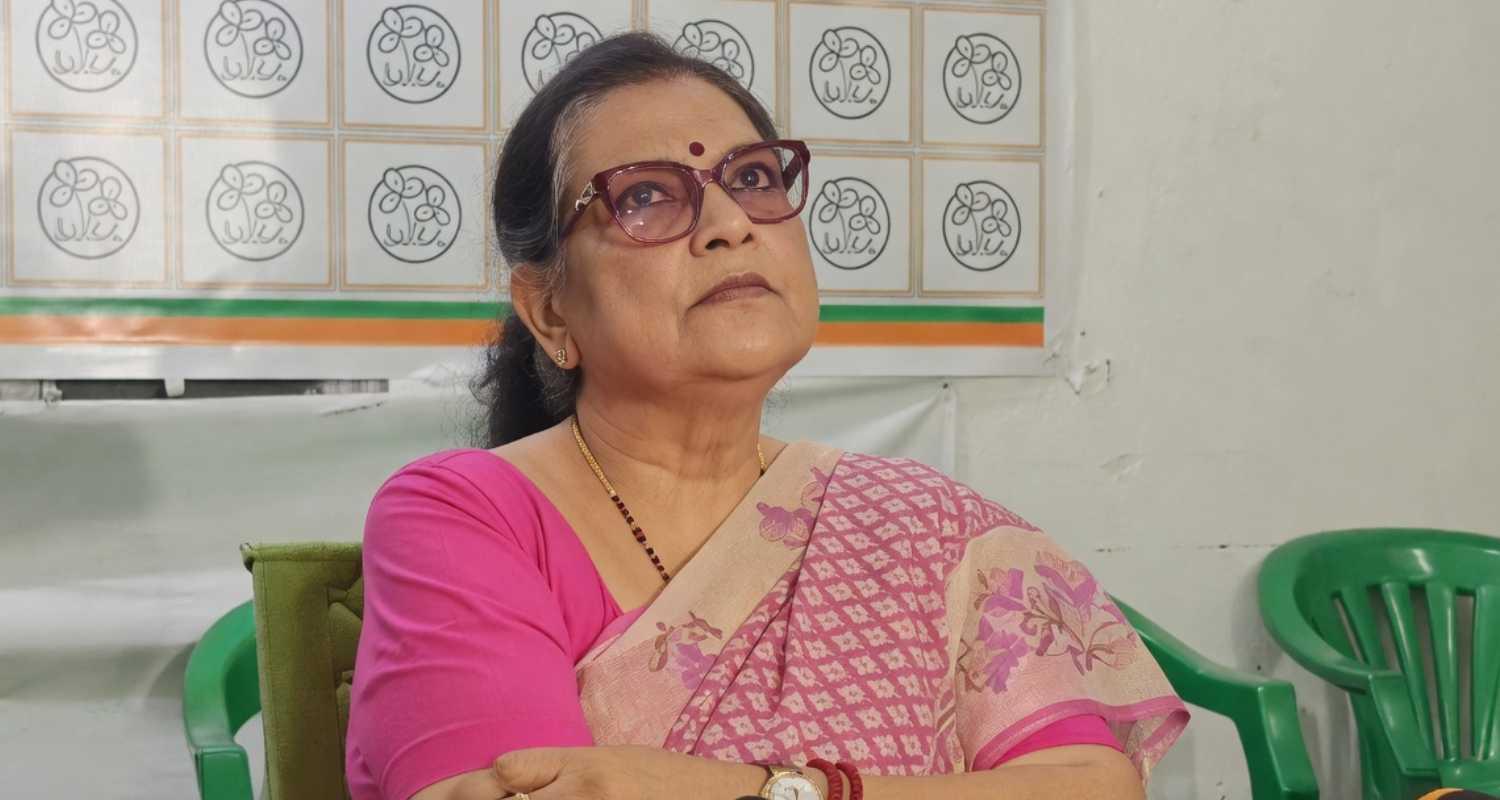
In a significant political development in West Bengal, TMC MP from Barasat Kakali Ghosh Dastidar resigned from all her party posts, a day after attending a high-level administrative review meeting chaired by Chief Minister Suvendu Adhikari in Kalyani. She has submitted her resignation letter to Subrata Bakshi, the state president of the TMC.
The development follows a series of recent changes in the party structure. On May 15, Kakali was removed from her position as Chief Whip of the TMC Parliamentary Party in the Lok Sabha. She was replaced by Kalyan Banerjee, a decision taken by party supremo Mamata Banerjee after a meeting with party MPs at Kalighat. Shortly after her removal, Kakali expressed her discontent through an ambiguous social media post.
Prior to this, she had already stepped down as President of the Barasat Parliamentary District TMC unit and also relinquished her leadership role in the party’s women’s wing. Despite these developments, Kakali attended the Chief Minister’s administrative meeting on Tuesday, alongside several Trinamool MLAs from North 24 Parganas, including Anisur Rahman Bidesh (Deganga), Bina Mandal (Swarupnagar), Abdul Matin (Haroa), Burhanul Mukaddim (Baduria), Usharani Mandal (Minakhan), and Surajit Mitra Badal (Basirhat).
According to Chief Minister Adhikari, Kakali used the platform in Kalyani to voice long-standing grievances. He claimed that during previous administrative meetings under the TMC, she had not been given the opportunity to express her views freely. Addressing the media, the Chief Minister stated that Kakali appeared “extremely satisfied” after being allowed to speak and had even extended a handshake at the end of the meeting.
Kakali shares a long political association with Mamata Banerjee, dating back to their days in student politics in the 1970s. While Mamata was a student leader at Jogamaya Devi College affiliated with the Chhatra Parishad, Kakali was active in student politics at Calcutta Medical College. She remained a close associate of Mamata through her political rise since 1984.
Interestingly, Kalyan Banerjee had stepped down as Chief Whip last August, after which Kakali was entrusted with the role. However, following the party’s setback in the Assembly elections, signs of internal restructuring began to emerge. Political observers suggest that Kalyan’s reinstatement—reportedly due to his aggressive defence of the party during a challenging period—may have contributed to Kakali’s dissatisfaction.
Her resignation from all party posts now adds a new dimension to the evolving political landscape in the state, signaling possible internal fissures within the TMC.



 Follow us