


Trending:
Trump’s withdrawal symptoms
Amid the changing geopolitics marked by America’s growing isolation, India needs to enlarge the scope of its role in influencing the global policies, particularly those concerning the developing world. Follow us
News Arena Network - Chandigarh - UPDATED: January 11, 2026, 03:09 PM - 2 min read
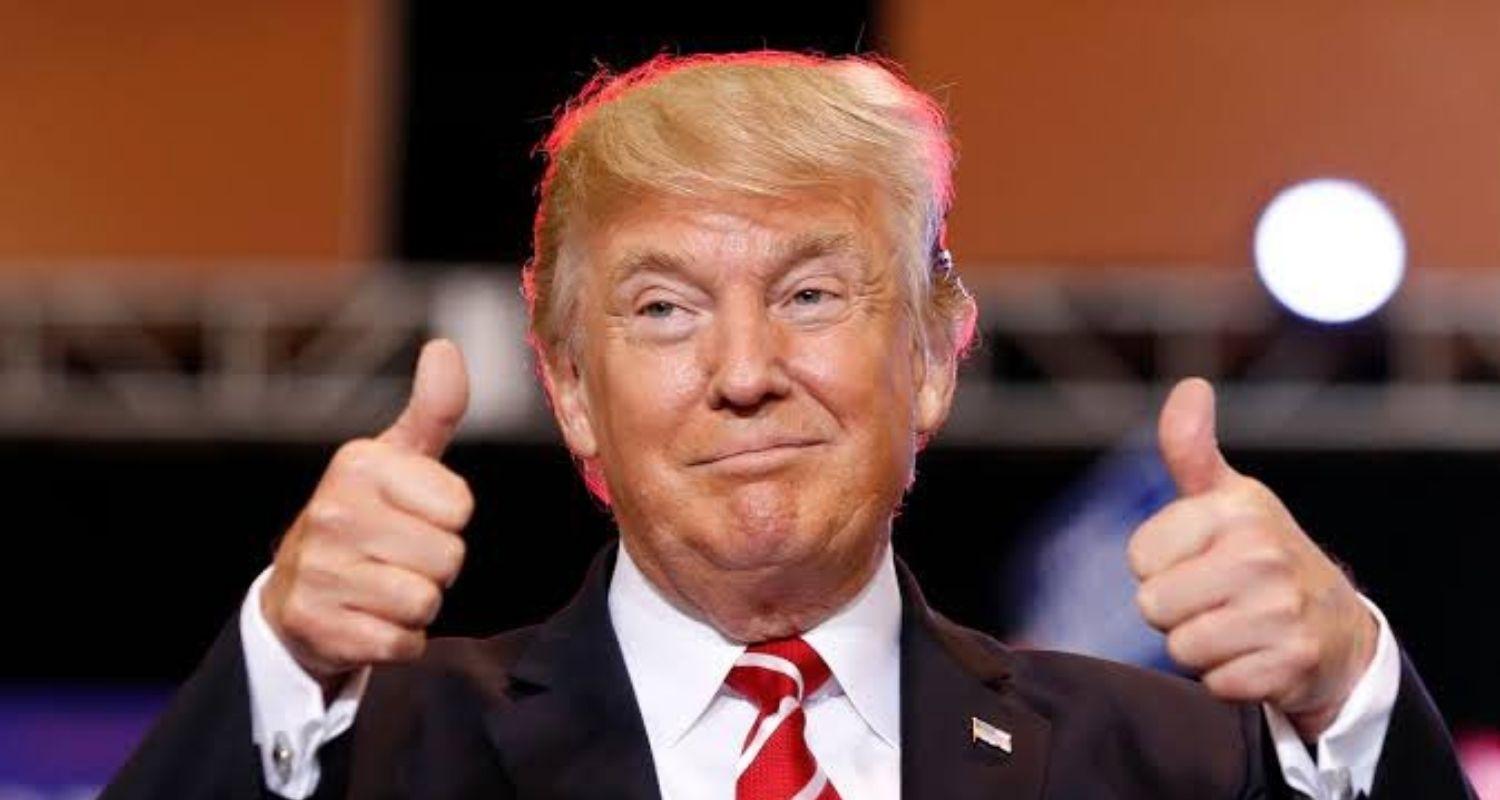
Be it international diplomacy, trade or domestic public policies, Trump’s ability to irk friends and foes alike is matchless.
Just when you thought the United States President Donald Trump’s shenanigans cannot get any worse, there comes a fresh shocker from him further lowering the bar. Be it international diplomacy, trade or domestic public policies, Trump’s ability to irk friends and foes alike is matchless.
The decision to exit from 66 United Nations and international organisations, including major forums for cooperation on climate change, peace, and democracy, is the latest in a long list of his maverick moves. Being a climate change denier himself, Trump’s disdain for international commitments is well known. The sweeping order, withdrawing America from a string of international organisations, reflects his narrow vision of foreign policy that shuns coalition building and the consensus of nations.
Ostensibly, the Trump administration justified America’s withdrawal from major treaties, organisations and conventions on the ground that they are contrary to the country’s interests. These organisations are intended to foster multinational cooperation, cutting ties with a wide range of prominent forums addressing international security, law, trade, economics and human rights.
About half of those are United Nations organisations. This makes a mockery of the world body. The US has also announced withdrawal from the International Renewable Energy Association, which represents global clean energy interests, the International Solar Alliance and the International Union for Conservation of Nature.
Question mark over climate finance
The outrageous decision would mean that the US would cease participation and also cut all funding to the affected entities. The list includes the UN Framework Convention on Climate Change (FCCC) and the UN Intergovernmental Panel on Climate Change (IPCC).
It is a cruel irony that the world’s largest historical polluter would no longer be involved in the global efforts to mitigate the catastrophic impacts of the climate change crisis.
Also read: World must stand up to Trump’s aggression
The UNFCCC is a global treaty established in 1992, under which the UN conducts the annual Conference of Parties (COP) climate talks. It forms the legal foundation for the Paris Agreement, a 2015 voluntary pact among nations to keep global temperatures at relatively safe levels. America becomes the first country to pull out of it. It also means the US will not contribute towards climate finance to developing countries for energy transition, mitigation and adaptation. Interestingly, the US Senate had ratified the UN climate treaty in 1992 by a unanimous vote. Now, a President’s legal authority to unilaterally withdraw from a treaty is questionable.
The US would no longer take part in annual negotiations among 200 nations aimed at encouraging countries to cut greenhouse gas emissions. From the beginning, Trump has routinely ridiculed climate science as a scam and a hoax and has actively hobbled clean energy projects and other climate policies.
Voice of the global South
Amid the changing geopolitics marked by America’s growing isolation, India needs to enlarge the scope of its role in influencing the global policies, particularly those concerning the developing world. It needs to up the ante and emerge as a reliable, consistent and forceful player, representing the voice of the global South.
India’s efforts in this direction have been yielding encouraging results, as reflected in the recent G20 Summit and United Nations Climate Summit—COP30. India influenced the priorities and outcomes of the G20 summit, held in Johannesburg in November last year. For instance, the campaign against terrorism and bolstering financing for addressing the climate crisis found resonance in the declaration adopted at the Summit, thereby amplifying the voice of the South.
In the absence of intervention from the United States, which boycotted the event, the joint declaration called for climate finance to be scaled up from billions to trillions of dollars. The mention of climate change was a snub to Donald Trump, who doubts the scientific consensus that global warming is caused by human activities. On climate finance, the declaration reinforced India’s position.
In addition to acknowledging the need to scale up climate finance from billions to trillions of dollars to meet the goals of the Paris Agreement, the declaration highlighted that developing countries will need almost USD 5.9 trillion to implement their nationally determined contributions for the pre-2030 period. The outcomes of the disaster risk reduction working group, initiated by the Indian presidency, were reinforced in the G20 declaration, which also recognised the role of the Coalition for Disaster Resilient Infrastructure (CDRI), which is jointly led by India and France.
Also read: How the ouster of Maduro signals a new world order
At COP30, held in Brazil’s Belem city in November last year, India did the right thing by calling for a major increase in global adaptation finance as the funding gap widens. The developing countries will need up to USD 365 billion annually by 2035, but current flows are drastically lower. While India is committed to domestic adaptation as part of climate action, it strongly supports the creation of a Just Transition Mechanism.
Turning the back on climate crisis
The Trump Administration has been turning its back on the climate crisis since day one, removing the United States from the Paris Agreement, dismantling America’s scientific infrastructure, curbing access to greenhouse gas emissions data, and ending essential investments in the clean energy transition.
While pulling out of the Paris Agreement already signalled Trump’s intentions, exiting the UNFCCC will remove the US from the international climate governance architecture altogether.
The latest move is a self-defeating one as it will further hamper America’s ability to compete with China, which is increasingly dominant in the world’s burgeoning clean energy technology industries. It also cements the United States’ isolation from the rest of the world when it comes to fighting climate change. The Trump administration has rolled back climate regulations, removed scientific data on climate change from government websites, thwarted the development of wind and solar energy and commissioned a federal report downplaying the effects of a warming planet.
While the Trump administration is abdicating the US’ global leadership, the rest of the world is continuing to shift to cleaner power sources and take climate action. The US ranks at the top of the lists of the countries with the highest current annual emissions and per-capita emissions as well as countries with the most historical responsibility.
According to the Global Carbon Project and other sources, US territorial CO2 emissions in 2024 were about 4.9 billion tonnes, roughly 12.7 per cent of the global CO2 emissions that year. On per-capita emissions as well, for 2024 in the US they were about 14.6 tonnes per person, much higher than the global average. It is also the largest cumulative emitter for CO2 from fossil fuels and industry in most mainstream carbon accounting.