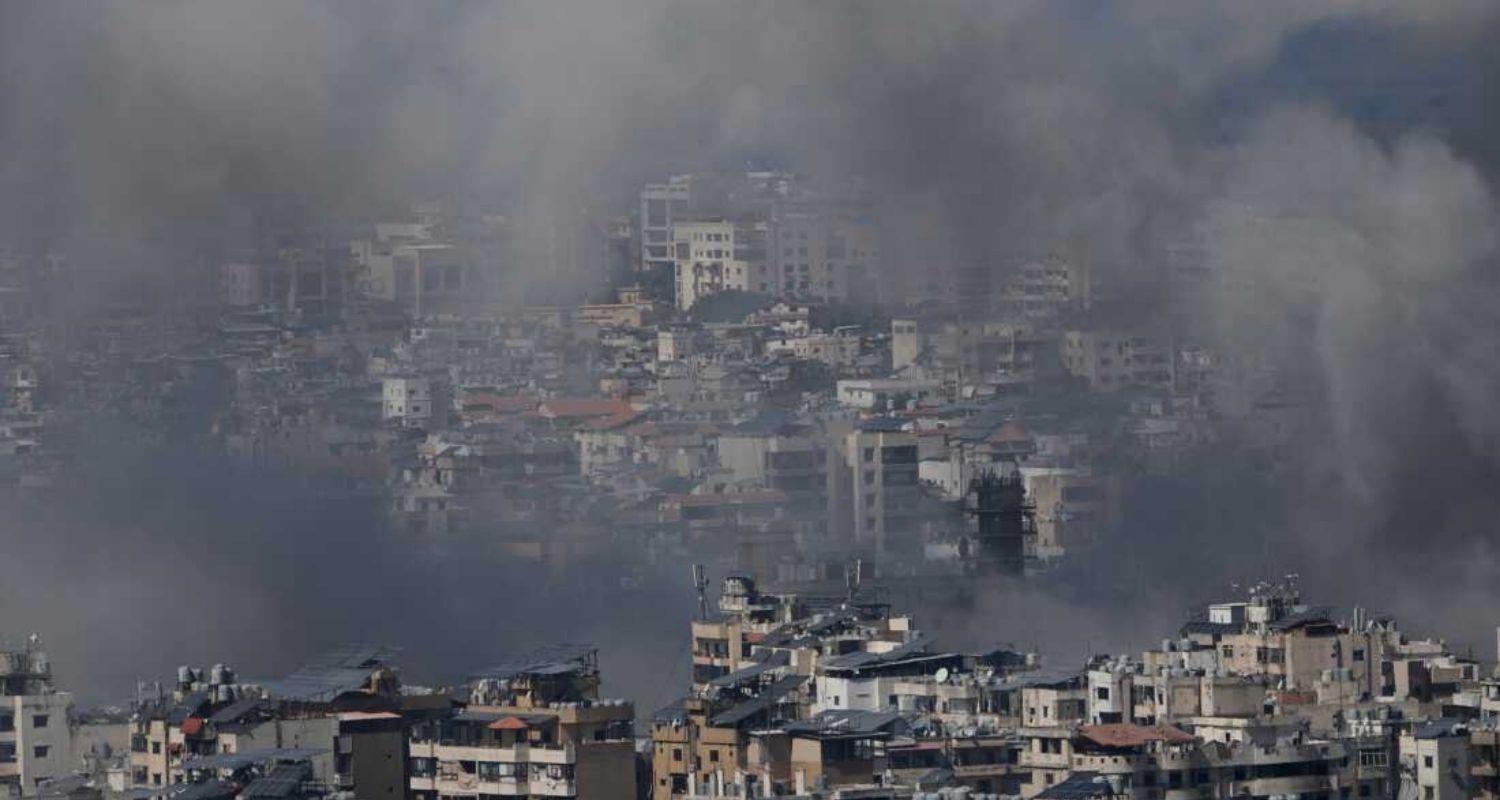
At one point in time, World War III was more of a figment of imagination, a doomsday prophecy, a situation straight from a dystopian movie plot rather than live news updates. As hypothetical scenarios on World War III seem to pave way for somewhat valid fears, the conversation, along with wishful thinking, steers back to safe corners of the world.
With over 30 nations, at the moment, involved in active, high-intensity armed conflicts and many more predicted to be roped in, safe countries is a tall task. Nevertheless, with the most severe military conflicts concentrated in the Middle East, Eastern Europe and African Sahel, an attempt can be made on the most peaceful getaways for the summer of ‘26.
One of the most cited references for measuring peace, Global Peace Index, lists Iceland, Ireland, New Zealand, Austria, Switzerland, Singapore, Portugal, Denmark, Slovenia, Finland, the Czech Republic, and Japan as the most peaceful countries in its 2025 list. Low crime rates, high social stability, strong governments and distance from world politics are the reasons for them being on the list.
Iceland once again, here’s why?
This is not the first time that Iceland has found a mention and stacks up right on top of the list. The Nordic nation has consistently ranked as the most peaceful country in the world for the 18th year in a row. Produced by the Institute for Economics & Peace (IEP), the index ranks as many as 163 independent states on criteria that includes societal safety & security, domestic and international conflict and the degree of militarisation.
Also read: Iran’s cultural heritage in the crossfire
“The key to building peacefulness in times of conflict and uncertainty is positive peace—the attitudes, institutions and structures that create and sustain peaceful societies,” says the report. This is not the only metric that makes Iceland all the more ideal in the current global situation. The nation, famed for its volcanoes, hot springs and unique sublime landscapes, also ranked third in World Happiness Report 2025.
Check the weather, cross check the conflicts
As the embassies across the world advise all travellers to exercise increased caution due to potential security risks and avoid areas of active conflict, travel check-list acquires a new dimension. The itineraries now need to factor in not just weather updates but an eye out for flight cancellations and political uncertainties. However, safety isn’t just military shields or army convoys patrolling the borders and airport arrivals; safety is as much about being able to navigate old towns, take a night stroll without worry, use public transport and explore landmarks without fear of getting mugged or pickpocketed.
Travel insurance provider Berkshire Hathaway, in its 11th annual Safest Destinations report, named The Netherlands, Australia and Austria as the safest countries to visit in 2026, while Reykjavik, Copenhagen and Zurich have been rated as the safest cities to visit in 2026. The report once again rates Iceland, although ranking it at number four. Despite the dip in rankings, the country remains one of the safest on account of travellers feeling comfortable exploring both urban and rural areas, supported by clear signage and strong emergency services. The report evaluates the responses and attitudes of the US travellers towards the destinations visited by them. To determine the rankings, the report surveys a large group of American travellers about their experiences and travels over the past five years. Only those who have visited the countries are allowed to rate them on safety.
How does the US stack up?
The year 2026 was supposed to be significant for US tourism; not only does the nation celebrate 250th year anniversary of its independence, but it is also co-hosting the FIFA World Cup. The news compounds to celebrations and statistics and record revellers, but the past twelve months have been anything but politically congenial. Tariff threats, calls of annexing Canada, taking over Greenland, military interventions in Iran, Venezuela, implemented mass deportations, detained foreigners at the border, have snowballed into visiting the US as making a political statement. It ain’t just a trip, it’s a symbol of endorsing or overlooking the current administration and what it stands for.
As a result, a growing number of nations have issued travel warnings to the US and several social media campaigns have called for an all-out boycott of the USA, even calling it a ‘hostile state.’ The US State Department, in return, has issued warnings to the citizens ranging from “exercise normal precautions” to “do not travel” to certain parts of Mexico, “increased caution” in Cuba, Greenland, “reconsider travel” to Colombia and “do not travel” to Iran.
In 2026, peace is a luxury and peaceful getaways a privilege, if not a leap of faith, but thankfully, several corners of the world cut the political chaos, dim the noise of narratives and offer a few days still shielded from the repercussions and ravages of war.
By Manpriya Singh



 Follow us