


News Arena

Home

ipl 2026assembly-elections

Nation

States

International

Politics

Defence & Security

Opinion

Economy

Sports

Entertainment

Trending:

Home
/

rbi-plans-to-introduce-polymer-banknotes-to-cut-costs

Nation

RBI plans to introduce polymer banknotes to cut costs

RBI is considering introducing polymer banknotes in India amid rising currency demand and higher printing and disposal costs.

News Arena Network - New Delhi - UPDATED: May 29, 2026, 05:38 PM - 2 min read
thumbnail image

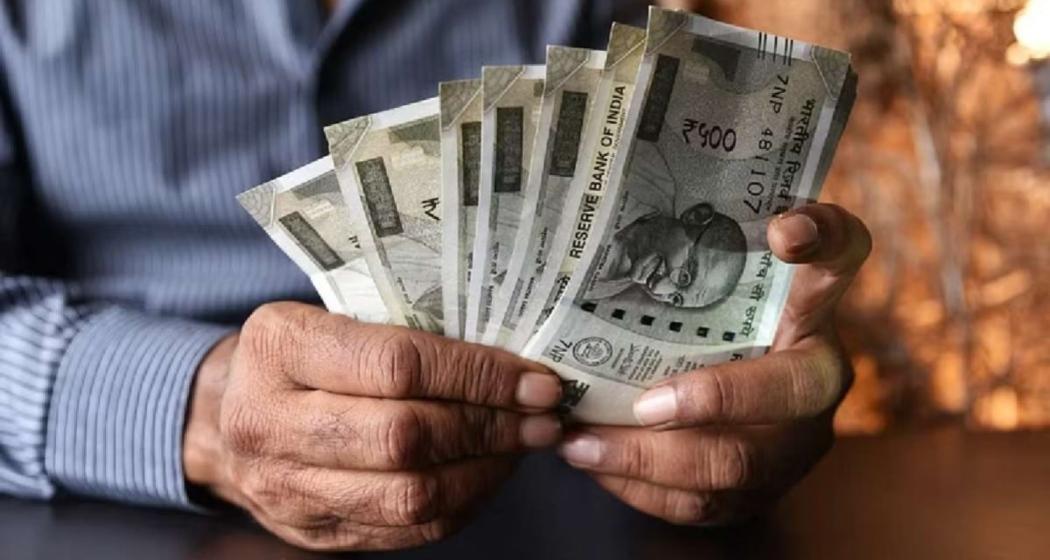
Representational image.


The Reserve Bank of India is considering introducing polymer banknotes in the country amid rising currency demand and increasing costs associated with printing and disposing of traditional paper notes, according to media reports.

The proposal was reportedly discussed during the RBI’s recent board meetings in Patna and Mumbai, with officials examining the feasibility of launching polymer or plastic currency notes in India.

The move is being considered as polymer notes have a longer shelf life, are more durable and cheaper to produce than conventional cotton-based paper currency.

According to reports, the central bank is also preparing a pilot project for polymer currency notes, which could be announced in the near future.

The RBI’s annual report for FY25 showed that expenditure on printing banknotes increased from Rs 5,101.4 crore to Rs 6,372.8 crore, largely due to growing demand for currency.

The report also highlighted challenges linked to the disposal of soiled banknotes.


During FY25, nearly 23.8 billion pieces of soiled notes were withdrawn from circulation, marking a 12.3 per cent increase from 21.24 billion pieces in the previous financial year. Most of the discarded notes belonged to the Rs 500 denomination, followed by Rs 100 notes.

Also read: Must let rupee depreciate: Former RBI Governor Subbarao


Polymer banknotes are made using bi-axially oriented polypropylene (BOPP) films, which support advanced security features such as improved anti-counterfeiting elements and metameric inks.

They are also more resistant to moisture, folding and microbial damage than paper currency.


Reports noted that polymer notes could be compatible with automated teller machines (ATMs), making them suitable for large-scale circulation.


Australia
became the first country to introduce polymer currency in 1988 and completed the transition fully by 1996.


Canada
also shifted to polymer notes beginning in 2011 after studies found polymer currency more efficient across several lifecycle stages compared to paper notes.

The RBI has not yet made an official announcement regarding a timeline for the rollout of polymer currency in India.

TOP CATEGORIES

  • Nation

QUICK LINKS

About us Rss FeedSitemapPrivacy PolicyTerms & Condition
logo

2026 News Arena India Pvt Ltd | All rights reserved | The Ideaz Factory