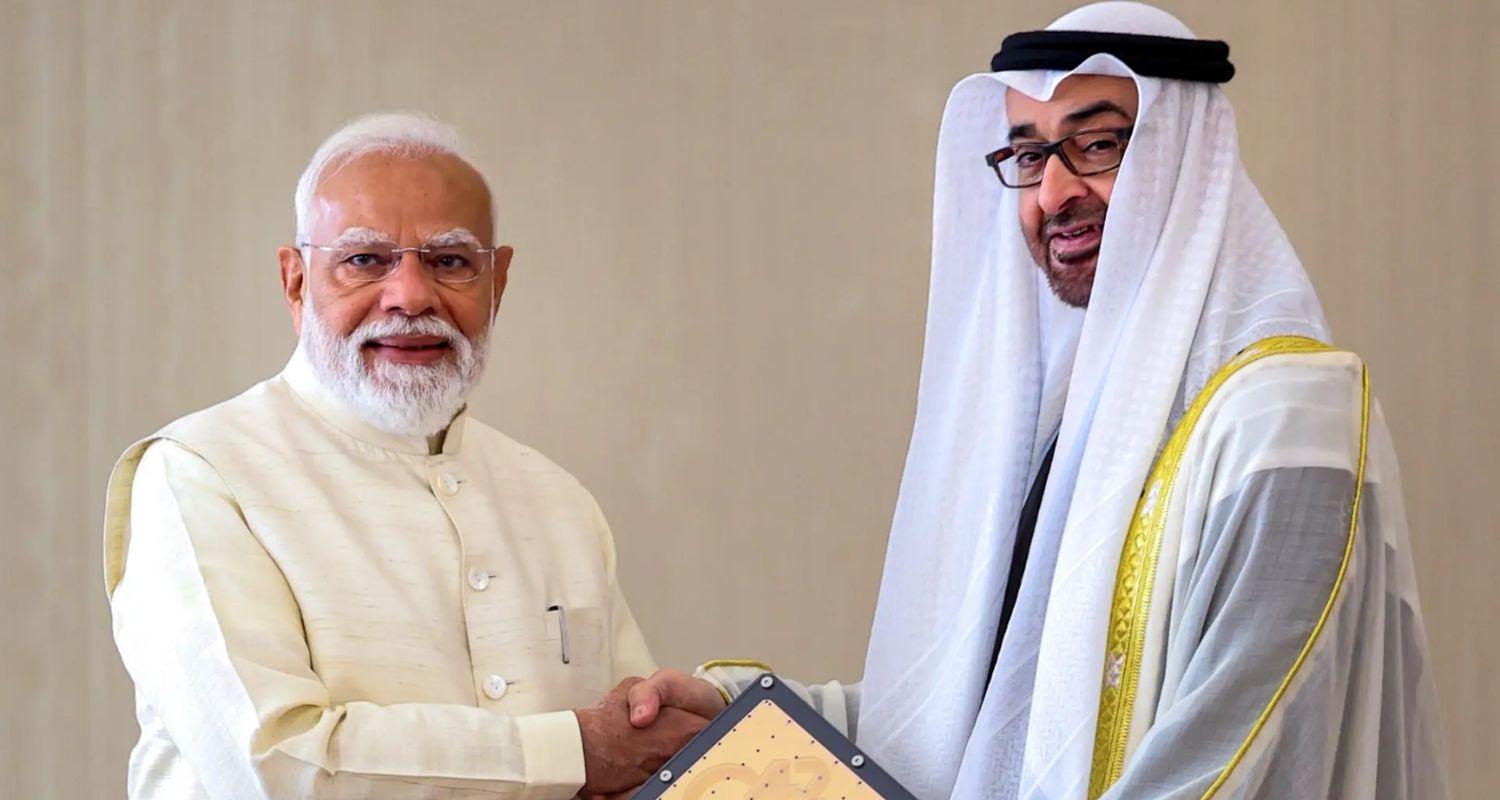
Although Prime Minister Narendra Modi’s whirlwind visit to the United Arab Emirates was brief, it brought many gains to New Delhi. In light of changing dynamics in West Asia and continued fluctuations in the international oil market, the Indian Prime Minister managed to clinch several deals in various fields ranging from defence and infrastructure to energy, supported by billion-dollar investments.
In light of tensions in the region that were threatening to disrupt major shipping routes such as the Strait of Hormuz, it was imperative for both sides to highlight the need to remain resilient and stable. One of the most notable successes of the exercise is the signing of the Framework for Strategic Defence Partnership. This marks a change in strategy whereby cooperation and technology development will be the focus instead of military exercises.
Energy security remained an important aspect because of the uncertainty involved in the availability of oil. This is evident from the signing of the Memorandum of Understanding on Strategic Petroleum Reserves, whereby the Abu Dhabi National Oil Company (ADNOC) is the sole company that has the privilege of storing oil in India’s underground reserves. In strengthening this relationship, India gets a dependable cushion from the vagaries of the market, while UAE has a surefire market for its oil production. Similarly, a deal between Indian Oil Corporation and ADNOC ensures a prioritised supply of Liquefied Petroleum Gas (LPG). Given that the UAE currently meets nearly 40 per cent of India’s domestic LPG needs, this agreement is crucial for shielding Indian consumers from global price spikes.
The maritime sector also saw progress with a plan to establish a Ship Repair Cluster at Vadinar in Gujarat. The purpose of this project is to raise India’s position as a centre of excellence for ship repair and maintenance. From the perspective of financing, UAE has invested USD 5 billion in India’s infrastructure projects and has also taken equity shares in RBL Bank and Samman Capital.
According to officials, these developments show that the bilateral relationship has matured far beyond simple buyer-seller dynamics. Since the implementation of the Comprehensive Economic Partnership Agreement, trade has already soared past the USD 100 billion mark. With these new pillars in defence and finance, both nations are now firmly focused on doubling that figure to USD 200 billion in the years ahead.
Also read: Oppn targets PM over fuel price hike, calls him ‘Mehngai Man’



 Follow us