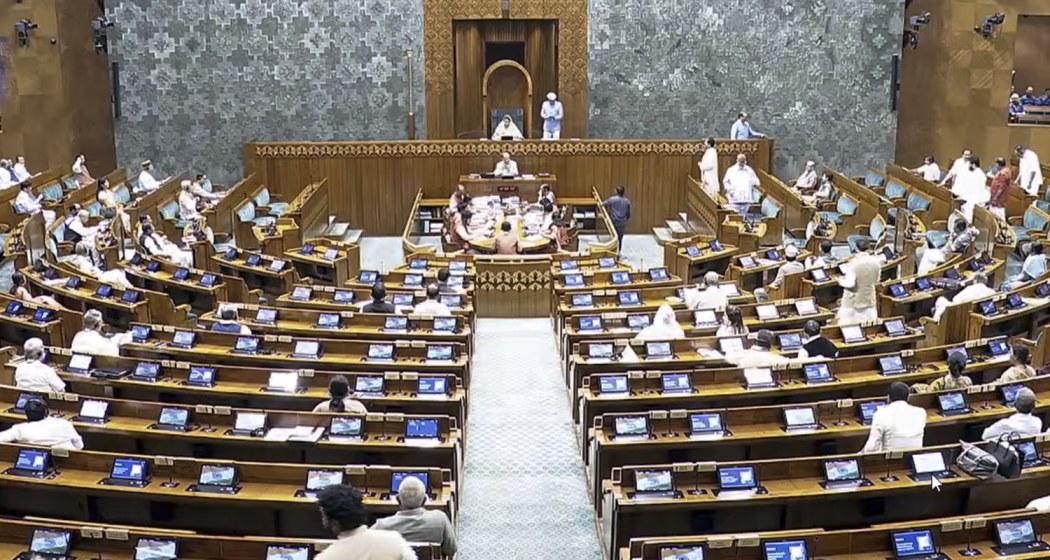
Opposition MPs from several parties on Friday submitted notices in both Houses of Parliament seeking a motion for the removal of Chief Election Commissioner (CEC) Gyanesh Kumar, marking the first such attempt in the country’s history, sources said.
According to sources, 130 Lok Sabha MPs and 63 Rajya Sabha MPs have signed the notices. The signatories include members from various parties in the INDIA bloc as well as the Aam Aadmi Party (AAP), which is no longer formally part of the opposition alliance. A few Independent MPs have also backed the initiative, while some others have expressed interest in joining it.
The notice reportedly lists seven charges against the CEC, including alleged “partisan and discriminatory conduct in office”, “deliberate obstruction of investigation of electoral fraud”, and “mass disenfranchisement”.
Opposition parties have accused Kumar of acting in a manner that allegedly benefits the ruling BJP on several occasions, particularly in connection with the Special Intensive Revision (SIR) of electoral rolls, which they claim could favour the party at the Centre.
The process for removing a Chief Election Commissioner is similar to the procedure for removing a Supreme Court or High Court judge. Under Article 324(5) of the Constitution, the CEC can be removed only on the grounds of “proved misbehaviour or incapacity”.
Also read: 193 Opposition MPs move notice to remove CEC Gyanesh Kumar
The motion for removal may be introduced in either House of Parliament and must be passed by a special majority—a majority of the total membership of the House and a two-thirds majority of members present and voting.
In a blog post, Trinamool Congress Rajya Sabha leader Derek O’Brien described the move as a “strong messaging” by the opposition and said MPs were using every constitutional mechanism available to safeguard the independence of democratic institutions.
He noted that in 75 years of India’s electoral history, the country has had 25 Chief Election Commissioners, and neither House of Parliament has previously moved a removal motion against any of them.
O’Brien also said that if the notices are not taken up by the government, it could raise doubts about a tacit understanding between the executive and the CEC.
Under the Judges (Inquiry) Act, 1968, if notices are submitted in both Houses on the same day, a committee will be formed only after the motion is admitted in both Houses. The committee would comprise the Chief Justice of India or a Supreme Court judge, the chief justice of a high court, and a distinguished jurist.
The committee would examine the charges and submit a report to Parliament, after which both Houses would debate and vote on the motion.



 Follow us