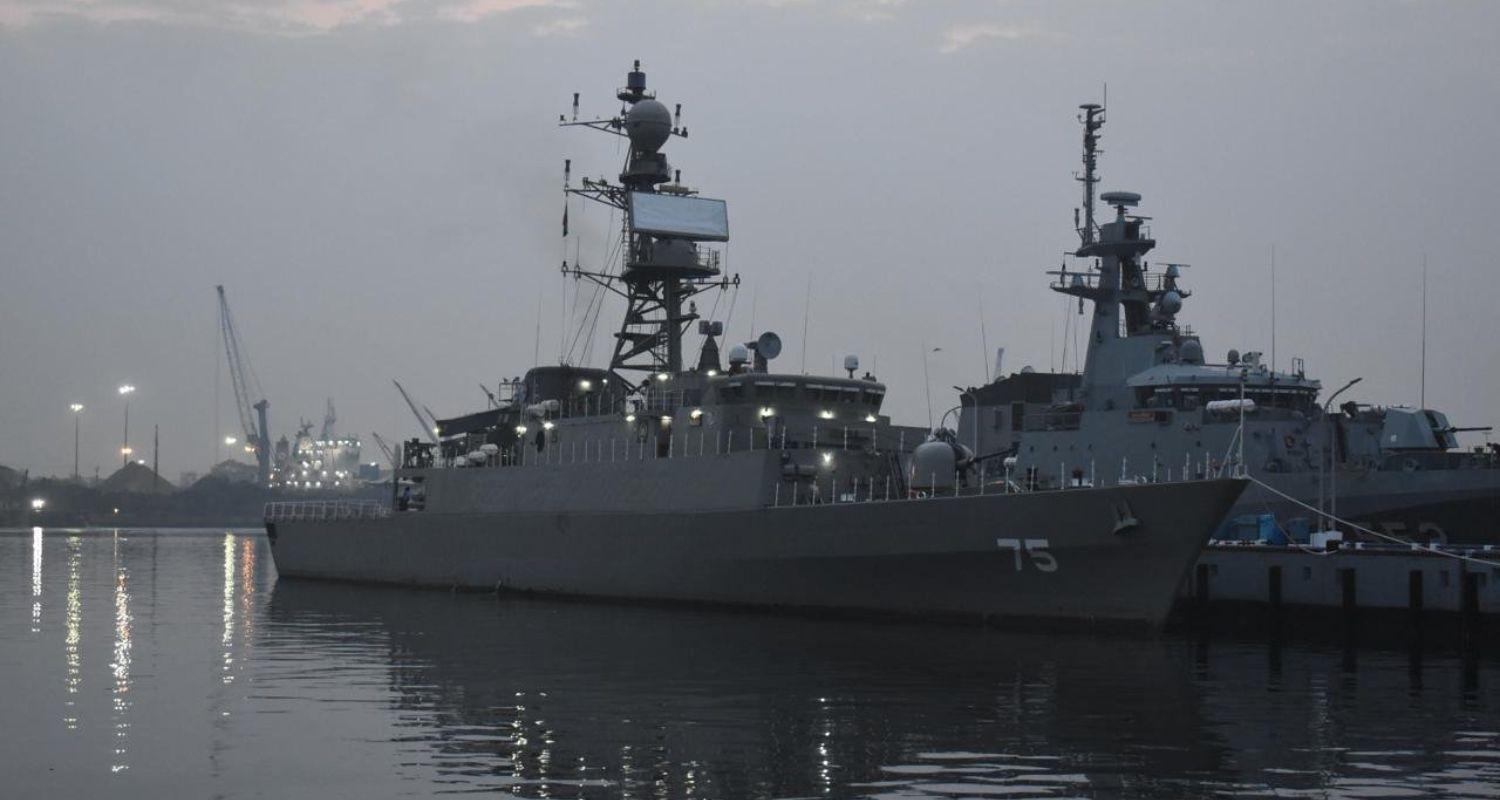
In a chilling illustration of how rapidly the conflict in the Middle East has spilt into the Indian Ocean, it has emerged that the Iranian frigate IRIS Dena was torpedoed by a US submarine just days after its sister ship, the IRIS Lavan, sought emergency refuge in Kochi. Government sources have confirmed that Tehran made an urgent plea for the Lavan to dock on February 28 — the very day US and Israeli forces launched their joint offensive — citing critical technical failures while the vessel was in the region for the International Fleet Review.
While the IRIS Lavan and its 183 crew members reached the safety of the southern Indian port on March 4, the IRIS Dena was not so fortunate. Having just participated in military exercises at Visakhapatnam, the Dena was struck without warning in international waters, roughly 40 nautical miles off the coast of Galle, Sri Lanka. The strike, which US Defence Secretary Pete Hegseth later described at the Pentagon as a "quiet death" delivered by torpedo, claimed the lives of more than 80 sailors.
The sinking has placed New Delhi in a delicate diplomatic position. Iran’s Foreign Minister, Abbas Araghchi, took to X to condemn the "atrocity at sea," pointedly noting that the vessel had been a "guest of India’s Navy" before being hunted down 2,000 miles from Iranian shores. He warned that Washington would "bitterly regret" setting such a violent precedent in neutral waters.
Stung by criticism that it had failed to protect or sufficiently aid a former guest, the Indian Navy issued a detailed clarification on Thursday. Officials stated that a search-and-rescue operation was launched immediately upon receiving the Dena’s dawn distress signal. Long-range maritime patrol aircraft were deployed to support Sri Lankan authorities, and the sail training ship INS Tarangini was diverted to the scene. Furthermore, the survey vessel INS Ikshak has been dispatched from Kochi to assist in the grim task of locating missing personnel as a humanitarian gesture.
The loss of the IRIS Dena marks a dangerous expansion of the theatre of war, proving that the reach of the US-Iran conflict now extends well beyond the Persian Gulf. As the crew of the Lavan remains accommodated at naval facilities in Kochi, the Indian government finds itself walking an increasingly thin tightrope between its strategic partnership with Washington and its historical ties to Tehran.
Also read: Trump rules out deal with Iran unless 'unconditional surrender'



 Follow us