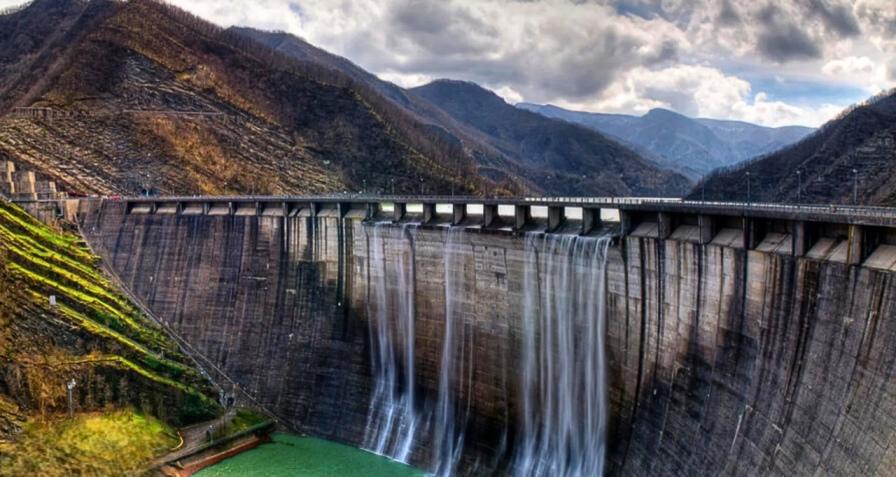
India is implementing one of the world’s largest dam rehabilitation programmes under the Dam Rehabilitation and Improvement Programme (DRIP), with 736 dams across the country being modernised under a Rs 10,211-crore initiative, the Jal Shakti Ministry said on Saturday.
The ministry said rehabilitation proposals worth Rs 5,053 crore for 191 dams have already been approved, while major physical rehabilitation work has been completed at 43 dams till March 31, 2025.
The second and third phases of DRIP, launched in October 2021, cover dams across 19 states and three central agencies, the Central Water Commission, Bhakra Beas Management Board and Damodar Valley Corporation.
Major dams identified for safety upgrades include the Bhakra Dam, Ranjit Sagar Dam, Nagarjuna Sagar Dam and Gandhi Sagar Dam, among others.
The ministry said DRIP-II and III are being implemented with external financial assistance of Rs 7,000 crore, while participating states and central agencies are contributing Rs 3,211 crore. The programme is co-financed by the World Bank and the Asian Infrastructure Investment Bank.
Focus on ageing dams
India has 6,628 specified dams, making it the world’s third-largest dam-owning nation. Of these, 6,545 are operational and 83 are under construction.
Also read: Calls grow to turn IWT suspension into strategic gain
The ministry said more than 26 per cent of these dams, around 1,681 structures, are over 50 years old, while 291 are more than a century old.
“Ageing infrastructure, sedimentation, changing hydrological patterns and increasing climate variability have highlighted the need for systematic rehabilitation and safety management,” the ministry said.
Modernisation and monitoring
The programme focuses on structural repairs, spillway modernisation, gate replacement and installation of advanced monitoring systems.
Officials said digital platforms such as the Dam Health and Rehabilitation Monitoring Application (DHARMA) are strengthening real-time dam monitoring and safety management. All 6,628 specified dams have now been registered on the DHARMA platform.
According to the ministry, nearly 13,000 dam inspections are conducted annually and maintained digitally, while rapid risk screening has been carried out for over 5,500 dams.
The ministry described DRIP as a major shift towards “systematic and risk-based” dam safety management amid growing climate variability and ageing infrastructure challenges.



 Follow us