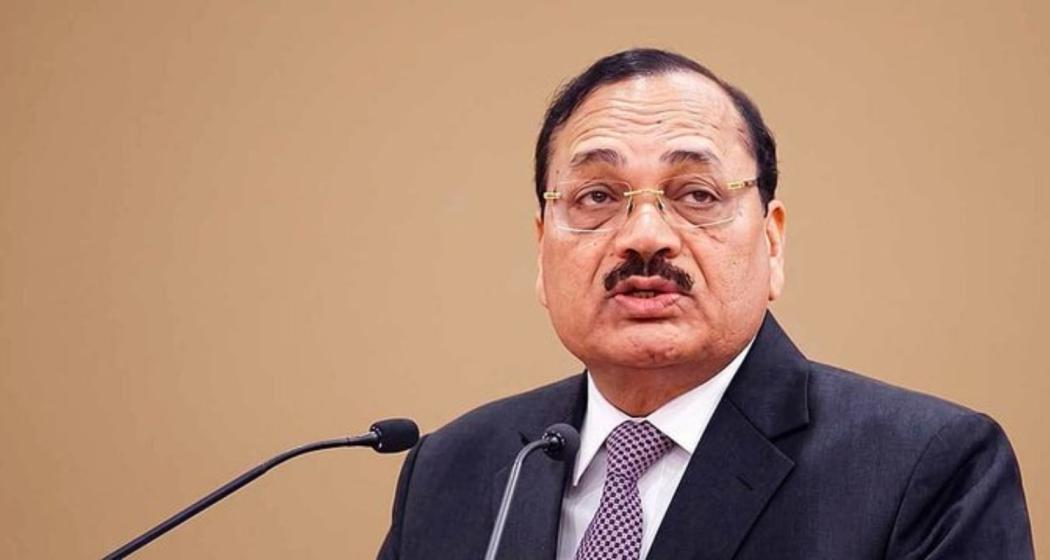
Chief Justice of India Surya Kant on Monday urged lawyers not to react “so sentimentally” as the Supreme Court declined urgent hearing on petitions linked to the viral “Cockroach Janta Party” controversy that erupted following his recent courtroom remarks.
A bench headed by the CJI, also comprising Justices Joymalya Bagchi and V. M. Pancholi, said there was “no such grave urgency” in the matter and the pleas would be considered in due course.
The remarks came after advocates mentioned two public interest litigations before the court, one seeking action against the alleged commercial use of oral courtroom observations and another demanding a CBI probe into activities linked to the satirical “Cockroach Janta Party” campaign.
When advocate N K Goswami argued that the online movement was damaging the judiciary’s image, the CJI remarked: “Don’t take it so sentimentally.”
The controversy stems from oral observations made by the CJI during an earlier hearing related to alleged fake law degrees and the grant of senior advocate designations.
During that hearing, the CJI had criticised what he described as institutional attacks by “parasites of society” and remarked that some unemployed youth behave “like cockroaches” while targeting institutions through media campaigns, RTIs and social media activism.
Also read: Plea in SC seeks CBI probe into Cockroach Janta Party activities
The comments triggered widespread backlash online, with several users accusing the judiciary of insulting unemployed youth.
The CJI later clarified that his observations had been “misquoted” and were directed at individuals entering professions using “fake and bogus degrees”, and not at unemployed youth in general.
One of the PILs, filed by advocate Raja Choudhary, sought a CBI investigation into alleged fake advocates and fraudulent law degrees. It also sought action against the monetised circulation of oral courtroom exchanges on social media.
Another petition specifically targeted the satirical Cockroach Janta Party, which has gained massive traction online over the past week.
Founded by Abhijeet Dipke, the internet movement describes itself as the “Voice of the Lazy & Unemployed” and uses satire, memes and political parody to comment on unemployment, governance and institutional issues.
The movement has rapidly gained millions of followers across social media platforms, turning into one of the country’s biggest online political satire trends.
Its stated demands include electoral reforms, greater representation for women, stricter action against misinformation, longer bans for defecting legislators and a bar on post-retirement Rajya Sabha positions for Chief Justices.



 Follow us