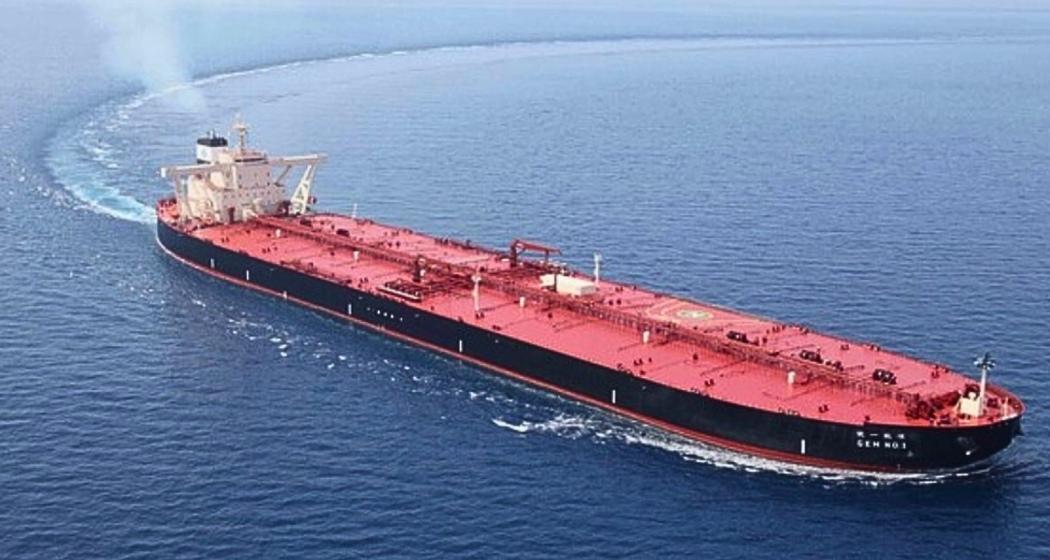
At least seven oil tankers carrying Russian crude have changed course mid-voyage from China to India, reflecting a sharp spike in demand from Indian refiners amid ongoing disruptions in global energy supplies.
According to reports, several vessels that had initially signalled Chinese ports as their destination are now being diverted to Indian ports. Among them is the tanker Aqua Titan, which made a turnaround in the South China Sea and is now expected to dock at Mangaluru on March 21.
Another vessel, Suezmax Zouzou N., carrying Kazakh CPC Blend crude, has also altered its route. Initially bound for Rizhao in China, it is now headed to Sikka in Gujarat and is expected to arrive on March 25.
The redirection comes in the backdrop of heightened tensions in West Asia, particularly involving Iran, which have disrupted traditional oil supply chains. Indian refiners, facing uncertainty in sourcing crude from the region, have ramped up purchases of discounted Russian oil.
The shift was further enabled by a recent decision by the United States to allow buyers to receive Russian oil cargoes already at sea under a temporary sanctions waiver. The move, aimed at easing global price pressures, has opened a window for countries like India to secure additional supplies.
Also read: Indian vessel ‘Jag Laadki’ reaches Mundra Port
Following this, prices of Russia’s Urals crude delivered to India’s west coast climbed to nearly $99 per barrel, reflecting increased demand. Reports indicate that Indian refiners snapped up nearly 30 million barrels of Russian oil in the week after the waiver came into effect.
The development also signals a shift in trade flows. In recent months, China had emerged as a key buyer of Russian crude, particularly after India scaled back imports due to pricing and logistical factors. However, Chinese firms had paused purchases following fresh US sanctions targeting major Russian energy companies.
With the 30-day waiver now in place for already-loaded cargoes, shipments are being redirected to markets offering stronger demand and pricing, including India.
Industry observers say the rerouting of tankers highlights the fluid nature of global oil trade amid geopolitical tensions and sanctions. It also underscores India’s growing role as a major destination for discounted crude, helping it manage energy security concerns.
The trend could continue in the near term if supply disruptions in West Asia persist and price arbitrage opportunities remain favourable for Indian refiners.



 Follow us