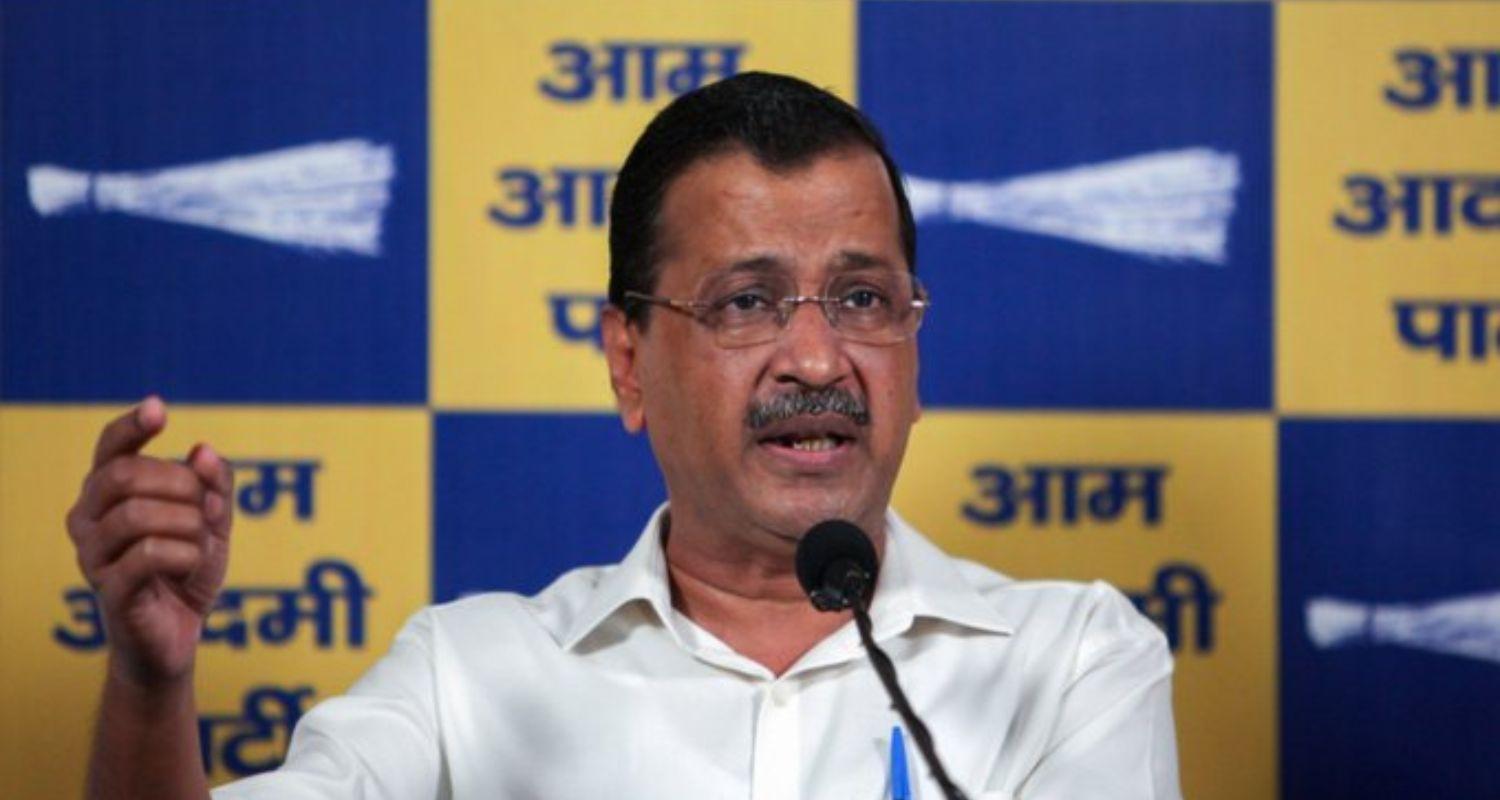
The former Delhi Chief Minister, Arvind Kejriwal, has sparked a fresh constitutional stand-off by declaring he will no longer participate in proceedings before Justice Swarana Kanta Sharma. In a pointed letter addressed to the Delhi High Court judge, who is currently hearing a challenge to his acquittal in the excise policy case, Kejriwal stated he has lost all faith in her ability to deliver an impartial verdict. This defiance follows the judge’s recent refusal to recuse herself from the matter.
Kejriwal’s primary contention involves an alleged conflict of interest. He claims that the judge’s children, serving as panel lawyers for the central government, have professional ties to Solicitor General Tushar Mehta, the lead counsel opposing him. Framing his boycott as an act of "Satyagraha" inspired by Mahatma Gandhi, Kejriwal informed the court that he would no longer appear in person or through legal representation. He argued that the current proceedings fail to satisfy the fundamental legal maxim that justice must not only be done but must also be seen to be done, adding that his decision was guided by his "conscience."
Kejriwal further stated, "I have taken this decision by heeding the voice of my conscience," while also keeping legal options open. "I reserve the right to approach the Supreme Court to appeal against Justice Swarana Kanta's verdict," he asserted in the letter.
"In a case of acquittal, the court would have made the accused sign a bond that he will appear before court for any appeal proceedings under relevant sections. If the accused fails to appear in compliance with the bond, the court can issue warrants- first a bailable warrant and then a non-bailable warrant to compel him to appear in court," Senior Advocate Satish Tamta said.
However, this high-stakes gamble carries significant legal risks. Senior legal experts, including Advocate Satish Tamta, have warned that such non-appearance could lead to the issuance of bailable or non-bailable warrants. Under standard procedure following an acquittal, an accused typically signs a bond to appear for any subsequent appeals; breaching this bond allows the court to compel attendance through more forceful means.
The judge, for her part, has remained resolute. In her order declining recusal, Justice Sharma delivered a robust defence of judicial independence, asserting that her oath is to the Constitution alone. She dismissed the allegations of bias as lacking concrete evidence, warning that stepping down without valid grounds would constitute an "abdication of duty." Addressing the claims regarding her family and past associations, she noted that no direct link had been established that would compromise the case, famously remarking that "justice does not bend under pressure."
The original case, brought by the Central Bureau of Investigation (CBI), seeks to overturn a trial court’s decision to discharge Kejriwal. While the High Court has already flagged certain lower court findings as seemingly erroneous, Kejriwal continues to dismiss the entire prosecution as a politically motivated exercise. By pivoting from traditional legal arguments to a form of civil disobedience within the courtroom, he has pushed the case into uncharted territory. While he reserves the right to appeal to the Supreme Court, his immediate refusal to engage with the High Court sets the stage for a complex legal and political confrontation.
Also read: AAP files petition seeking removal of MPs from RS who quit party



 Follow us