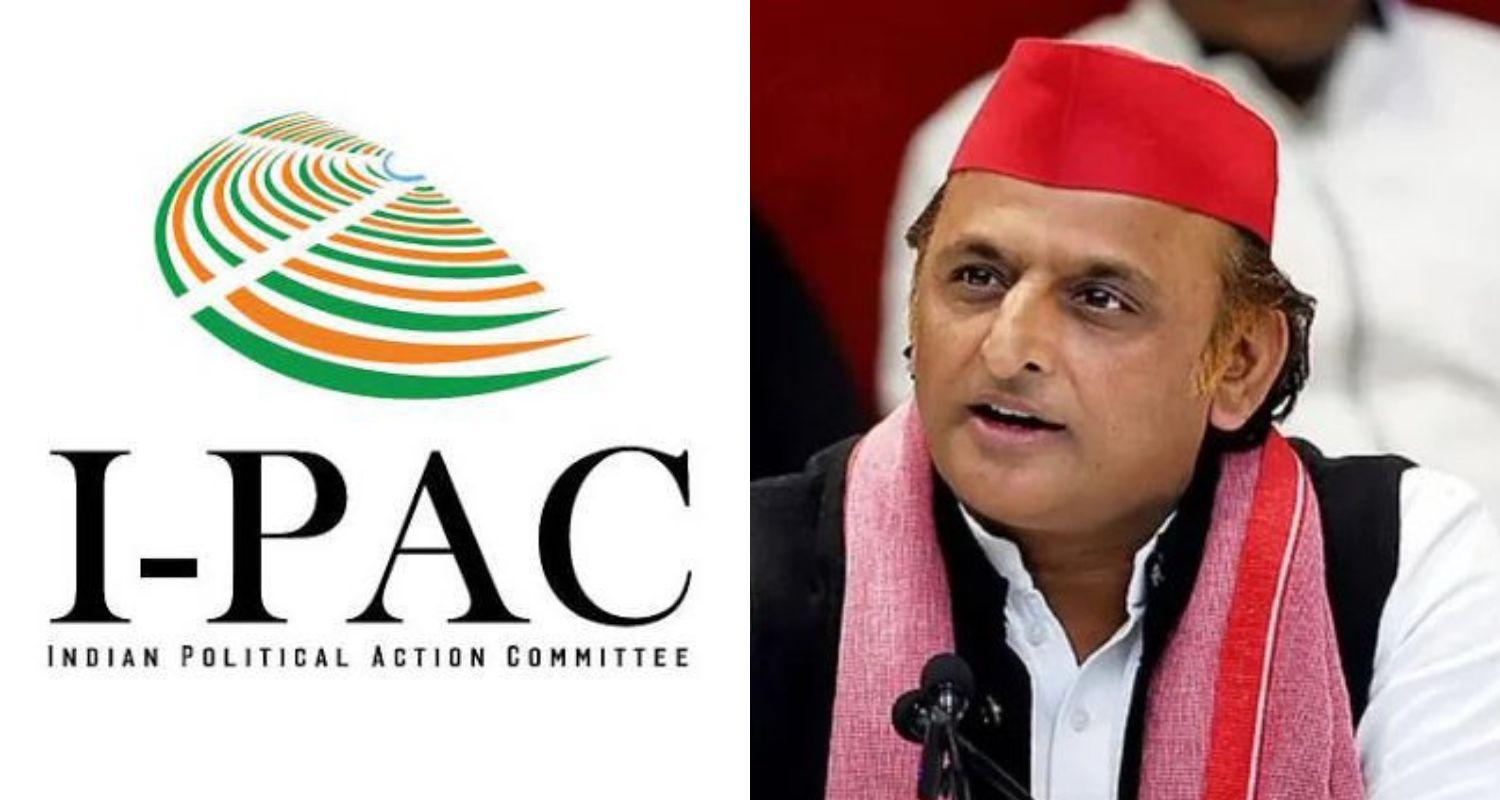
The Samajwadi Party has hinted on parting ways with I-PAC. This comes at a time when the SP faces its most critical test in the Uttar Pradesh state elections scheduled for next year. This move, which signifies a major departure from Yadav’s earlier approach, is believed to be a consequence of the perfect storm created by the legal troubles, past electoral defeats, and increasing anxiety among party members.
What seems to have caused all the trouble was the recent arrest of Vinesh Chandel, who co-founded the company with Prashant Kishor. Chandel was taken into custody by the Enforcement Directorate in April following raids on his Delhi residence, linked to a money laundering investigation tied to an alleged coal scam in West Bengal. The federal agency has levelled serious accusations, claiming that 'hawala' operators were used to funnel tens of crores into I-PAC's parent company. Perhaps most damaging for a political partnership, the ED alleged that the firm operated a dual-payment model designed to wash "black money" through a mix of cash and formal banking channels.
While Chandel secured bail last week, the reputational damage seems to have already been done. For Akhilesh Yadav, who is increasingly viewed as the last formidable hurdle for the BJP in Uttar Pradesh, the association had become a liability. This is particularly true given the thinning ranks of the national opposition; with Mamata Banerjee losing her grip on West Bengal, the DMK being ousted in Tamil Nadu by actor Vijay's TVK, and Arvind Kejriwal losing his stronghold in Delhi, the pressure on the Samajwadi Party to perform is immense.
I-PAC’s recent track record has also come under fire. Despite being hired to manage the campaigns for the Trinamool Congress and the DMK, the firm oversaw a disastrous set of results this month. In a shocking turn of events, both Mamata Banerjee and MK Stalin lost their own individual seats, a failure that has led many to question whether the firm has lost its "Midas touch." Reports suggest that as the ED investigation tightened, I-PAC began scaling back its operations and downsising teams in Uttar Pradesh, leaving the Samajwadi Party’s campaign preparations in the lurch.
Internal feedback from the party’s grassroots workers reportedly sealed the deal, with many local units expressing doubts about the firm’s efficacy. Moving forward, the Samajwadi Party will rely on Showtime, a separate election management and social media firm contracted two months ago, to steer its digital and strategic ship. By distancing himself from the controversy-ridden I-PAC, Yadav appears to be attempting to insulate his campaign from federal investigations while searching for a fresh approach to take on the BJP’s formidable election machine.
Also read: Money laundering: I-PAC co-founder Vinesh Chandel granted bail



 Follow us