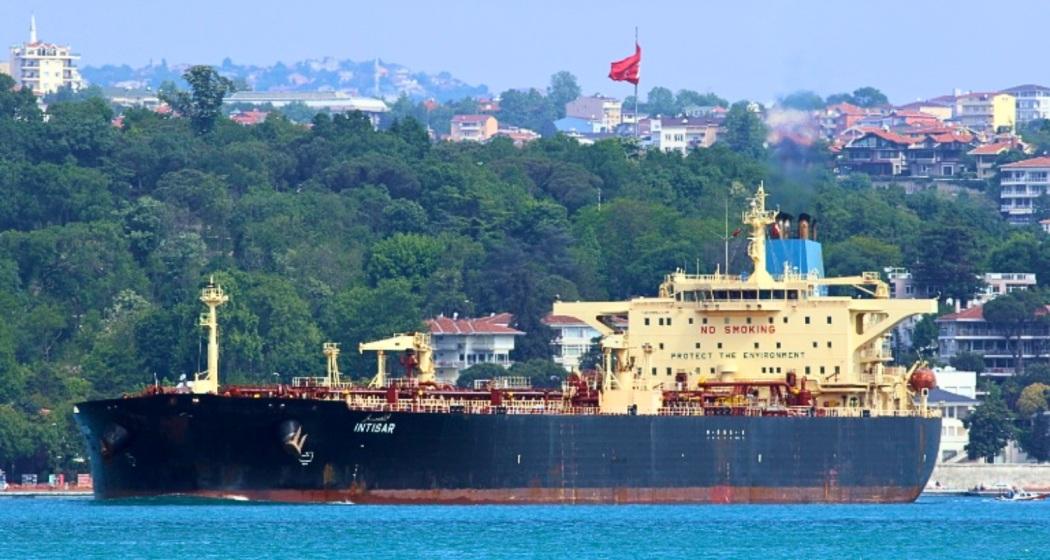
India may receive its first consignment of crude oil from Iran in nearly seven years, with a tanker carrying around 600,000 barrels of Iranian crude signalling Gujarat’s Vadinar port as its destination.
The development comes amid disruptions in global energy supplies due to the ongoing conflict in West Asia and the effective halt of traffic through the Strait of Hormuz, a critical route for global oil shipments.
According to vessel-tracking data from Kpler, the Eswatini-flagged tanker Ping Shun loaded the crude around March 4 at Iran’s Kharg Island terminal and is expected to arrive at Vadinar on April 4. The identity of the Indian buyer remains unclear.
The potential delivery follows a 30-day sanctions waiver granted by the United States on March 21, allowing transactions involving Iranian crude already loaded on vessels. The waiver, valid until April 19, aims to stabilise global oil supplies and curb rising prices amid the conflict.
Industry experts caution that while the tanker is currently signalling India as its destination, changes cannot be ruled out. Tankers carrying sanctioned oil—often referred to as “dark fleet” vessels, have historically altered routes mid-journey to avoid scrutiny, though such tactics may be less necessary under the current waiver.
“The Indo-Iranian oil trade has flickered back to life… this is the first such delivery since May 2019 and comes at a critical time for Indian refiners facing tightening inventories,” a Kpler analyst said.
India had halted imports of Iranian crude in 2019 after the US withdrew from the nuclear deal with Tehran and reimposed sanctions, ending earlier waivers granted to major buyers.
The current easing of restrictions could provide temporary relief to Indian refiners grappling with supply constraints, particularly as disruptions in Gulf exports tighten inventories. India depends on imports for over 85 per cent of its crude requirements, with a significant portion traditionally routed through the Strait of Hormuz.
However, uncertainties remain over payment mechanisms, as Iran continues to be excluded from the global SWIFT banking system. Earlier, transactions were routed through rupee-based arrangements, which may again be explored if imports resume.
Despite sanctions, Iranian crude remains attractive due to its competitive pricing and compatibility with Asian refinery configurations. Analysts say any confirmed delivery would mark a cautious and limited revival of India-Iran oil trade, shaped by geopolitical developments and short-term policy adjustments.



 Follow us