The confrontation between the United States and Iran escalated dramatically on Wednesday, with Tehran threatening to shut the strategically vital Strait of Hormuz if it faces another military assault, while US President Donald Trump warned that fresh American strikes could be launched "tonight."
The renewed escalation has heightened fears of a wider conflict in West Asia, with global energy markets and international shipping once again on edge. Nearly one-fifth of the world's oil passes through the Strait of Hormuz, making any disruption a major threat to global energy supplies.
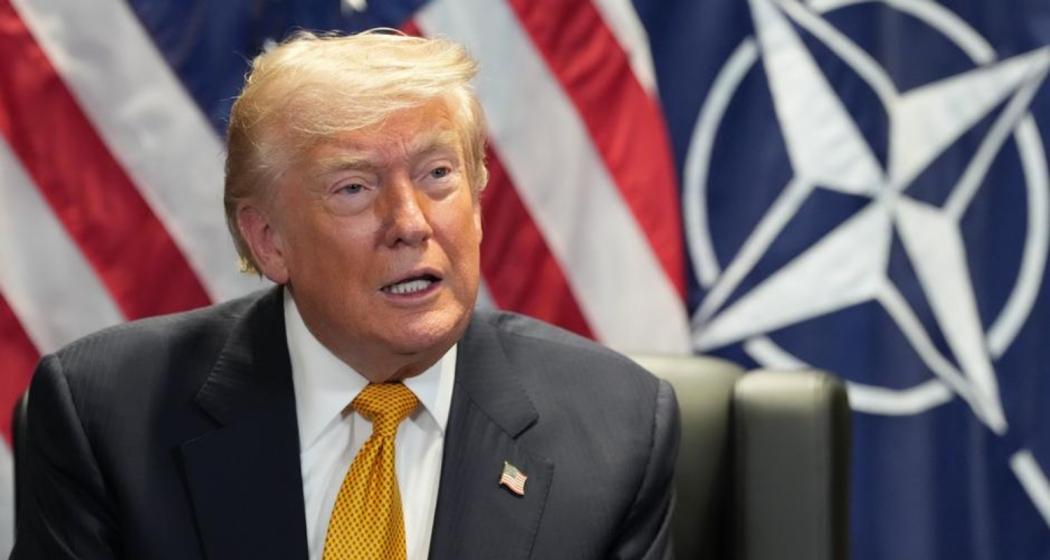
Speaking on the sidelines of the NATO summit in Ankara, Trump declared that the ceasefire understanding with Iran was effectively over, accusing Tehran of repeatedly violating commitments.
"To me, it's over. I don't want to deal with them anymore," Trump said, describing Iran's leadership as "liars" and "cuckoo". He also warned that the United States "will probably hit Iran tonight" if the situation deteriorates further.
Iran responded by warning that any fresh military action would invite a severe response, including the possible closure of the Strait of Hormuz.
According to Iranian media, the country's armed forces are prepared to block maritime traffic through the narrow waterway if further attacks target Iranian territory.
The latest confrontation follows fresh US military strikes on more than 80 Iranian military targets, including air defence systems, coastal radar installations, anti-ship missile batteries, command centres and Islamic Revolutionary Guard Corps (IRGC) naval assets. The US Central Command described the operation as a direct response to attacks on commercial shipping in the Gulf.
Iran, meanwhile, claimed it launched missile and drone strikes targeting multiple US military installations in Bahrain and Kuwait, including the US Fifth Fleet headquarters and Ali Al Salem Air Base. Tehran also claimed to have shot down an American MQ-9 drone during the operation.
Also read: Qatar flays Iran for attack on its ship in Hormuz
Iran's Khatam al-Anbiya Central Headquarters described the US action as a "blatant act of aggression" and vowed a "crushing response" against any further attacks.
The rapidly deteriorating security situation has triggered fresh concerns over maritime trade, oil exports and regional stability. Several countries are closely monitoring developments as diplomatic efforts appear to have stalled and military exchanges continue to intensify.
Indian oil tanker turned back after Iran rejects Omani corridor
An Indian oil tanker was reportedly turned back from the Omani shipping corridor in the Strait of Hormuz after Iranian authorities directed vessels to use a navigation route designated by Tehran instead, according to Iran's semi-official Fars News Agency.
The tanker had attempted to transit through the temporary maritime corridor established along the Omani coast by Oman and the United Nations' International Maritime Organization (IMO) to facilitate the movement of commercial vessels stranded amid rising regional tensions.
Iran claimed its Islamic Revolutionary Guard Corps (IRGC) has been issuing radio warnings to ships entering the area, instructing them to avoid the Omani route and instead follow Iran-approved shipping lanes.
Fars also reported that all commercial vessels passing through the Strait on Wednesday morning used the Iranian-designated corridor. The development comes amid heightened military tensions following recent US airstrikes and Tehran's threat to shut the Strait of Hormuz if attacked again, raising fresh concerns over the safety of one of the world's busiest energy trade routes.



 Follow us