US forces have launched a heavy aerial assault on Iranian missile positions along the country’s southern coastline, deploying 5,000-pound "bunker-buster" munitions to neutralise hardened sites near the strategic Strait of Hormuz. US Central Command confirmed the strikes early on Wednesday, stating that the deep-penetrator bombs successfully hit anti-ship cruise missile batteries that posed a direct threat to international shipping.
The timing of the bombardment appears to be a pointed response to a diplomatic impasse. Only hours earlier, President Donald Trump admitted that most of Washington’s traditional allies had flatly rejected his request to provide naval escorts for merchant vessels in the region. French President Emmanuel Macron led the dissent, stating firmly that France would "never" deploy ships until the regional volatility had subsided— a stance that prompted Trump to label NATO’s hesitation a "very foolish mistake."
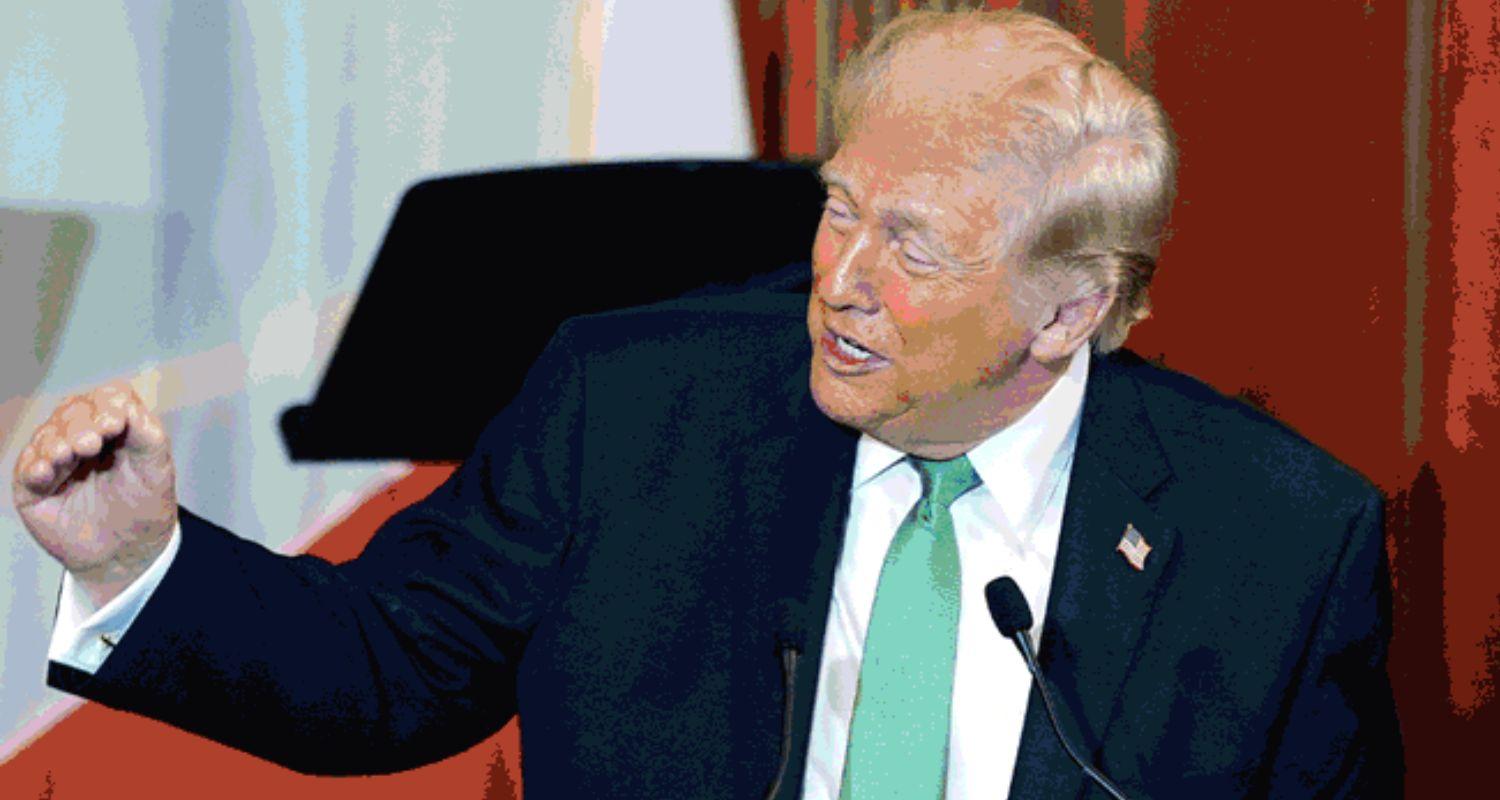
Despite the lack of international backup, a defiant Trump told reporters that the US was perfectly capable of "going it alone." While he expressed frustration that the alliance had failed a "great test" of loyalty, he insisted that Washington required no assistance to confront the Islamic Republic. "We don't need too much help. We don't need any help," he remarked, even as he claimed that NATO members at least agreed on the necessity of curbing Iran’s nuclear ambitions.
The Strait of Hormuz has remained effectively paralysed since the first week of March, following the outbreak of hostilities between Iran and the joint front of Israel and the US. As a vital artery for nearly 20 per cent of the world’s oil, the closure of the waterway has sent global fuel prices into a tailspin. With the US now shifting to high-yield "bunker-buster" strikes to clear the path, the risk of a broader regional conflagration remains at an all-time high.
Also read: Trump fumes over allies’ refusal to join Hormuz mission



 Follow us