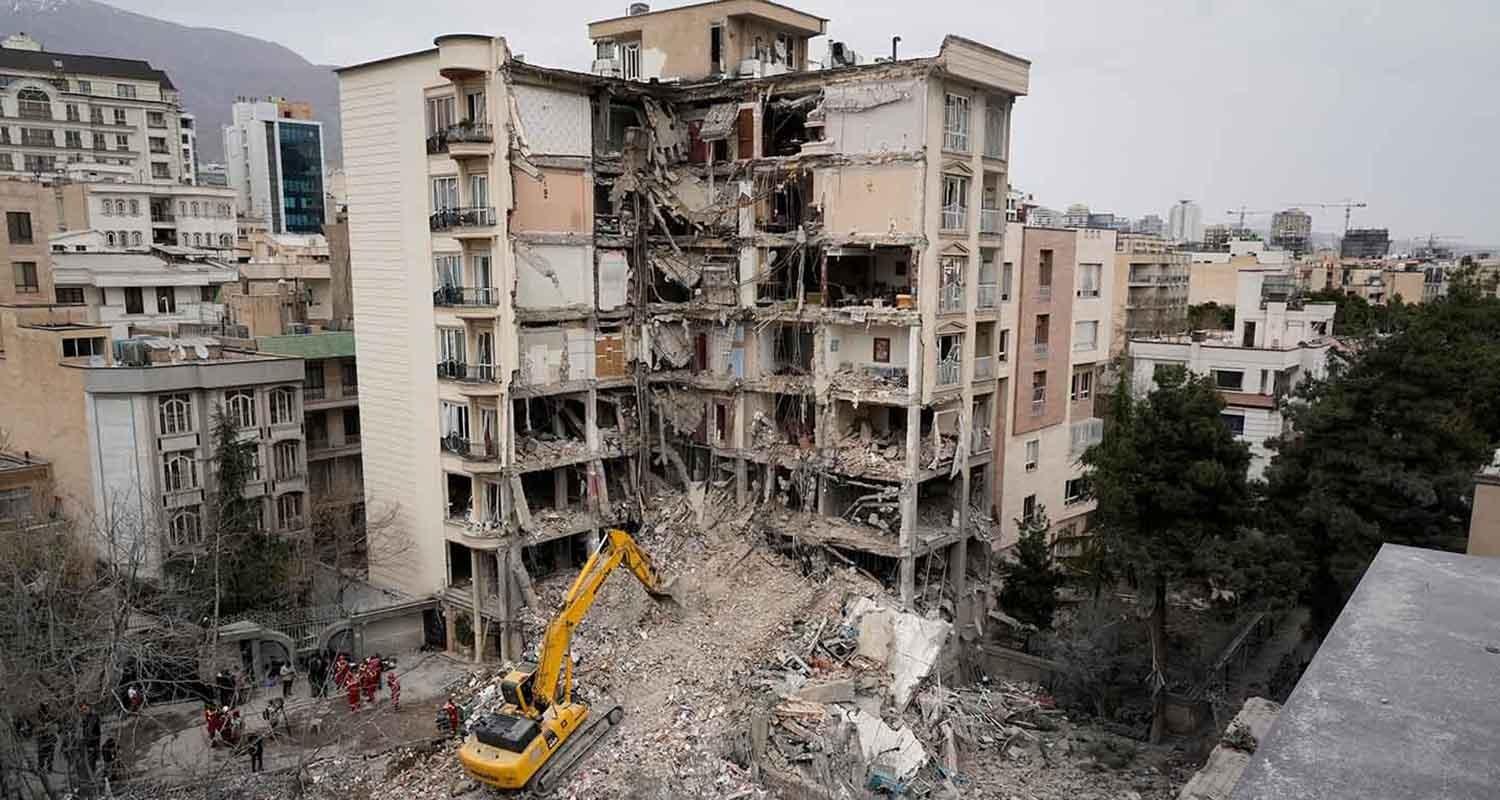
With no ceasefire in sight, the conflict in West Asia intensified on Tuesday, as airstrikes pounded Iran while Iranian missiles and drones struck Israel, including targets in Tel Aviv, even as Donald Trump said the United States was engaged in talks with Tehran to end the war.
Despite diplomatic signals, the pace of fighting remained intense. Thousands of US Marines are being deployed to the Gulf, while Iran has denied that any negotiations are underway. The escalation comes a day after Trump delayed his deadline for Iran to reopen the strategically vital Strait of Hormuz. Iran’s control over the waterway has disrupted global shipping, driven up fuel prices and raised concerns about the global economy.
Pakistan offered to host peace talks, but Iran remained defiant, vowing to continue fighting until ‘complete victory’. Any negotiations face significant hurdles, particularly over Iran’s ballistic missile and nuclear programmes, and uncertainty over who in Tehran has the authority to negotiate, especially as Israel continues targeting senior leadership.
Iranian officials have expressed deep mistrust of Washington, citing past US actions during diplomatic engagements, including strikes that preceded the current conflict. Pakistan’s Prime Minister Shehbaz Sharif said his country is ready to facilitate ‘meaningful and conclusive talks’. While the US has reportedly agreed ‘in principle’ to participate, efforts to bring Iran to the table remain ongoing amid complications following leaks about backchannel diplomacy.
Iran’s Foreign Minister Abbas Araghchi has been consulting counterparts in multiple countries, but Parliament Speaker Mohammad Bagher Qalibaf dismissed reports of negotiations as ‘fake news’. A senior military official, Maj. Gen. Ali Abdollahi Aliabadi, reiterated that Iran’s armed forces would continue operations until victory, signalling resistance to any concessions.
Diplomatic efforts, including those involving Egypt, are focused on trust-building and preventing attacks on critical energy infrastructure in Iran and Gulf Arab states. Mediators are also working on a mechanism to reopen the Strait of Hormuz. Brief optimism over talks caused oil prices to dip, but Brent crude surged back above $100 per barrel, reflecting continued uncertainty.
Meanwhile, Israel reported carrying out extensive strikes on Iranian ‘production sites’. Explosions were heard across Tehran, including in northern districts and the city centre. Iran responded with multiple missile barrages. In Tel Aviv, a missile with a 100-kg warhead struck a central street, damaging buildings and injuring several people.
Also read: Strait of Hormuz on mind, Trump calls PM Modi
The conflict has also spread across the region. In Kuwait, falling debris from air defence systems caused power outages. Bahrain reported missile and drone attacks, while the United Arab Emirates and Saudi Arabia said their air defences intercepted incoming threats, including drones targeting oil-rich areas.
Israel also struck southern suburbs of Beirut, targeting infrastructure linked to Hezbollah. A strike on a residential building near the Lebanese capital led to the killing of at least three people, including a young child, while additional casualties were reported in southern Lebanon.
Tensions between Lebanon and Iran have also worsened, with Beirut declaring Iran’s ambassador persona non grata and ordering his departure. Lebanese authorities have banned Iranian flights, citing concerns over arms transfers to Hezbollah, and accused Tehran of drawing the country deeper into conflict.
The human toll continues to rise sharply. Israeli strikes have reportedly killed over 1,000 people in Lebanon and displaced more than a million. Iran’s death toll has crossed 1,500, while at least 15 people have been killed in Israel. Casualties have also been reported among US personnel and civilians in the West Bank and Gulf states.
Amid the escalating crisis, thousands of US Marines are being deployed to the Persian Gulf, fuelling speculation that Washington could attempt to seize strategic locations such as Kharg Island, a key hub in Iran’s oil network. The US had earlier struck the island’s defences but avoided targeting oil infrastructure.
Iran has warned it could mine the Gulf if US troops attempt to land. While Trump has delayed potential strikes on Iranian power facilities, analysts believe the pause may be aimed at buying time for military positioning, even as some observers suggest Washington could be seeking an exit from the conflict.



 Follow us