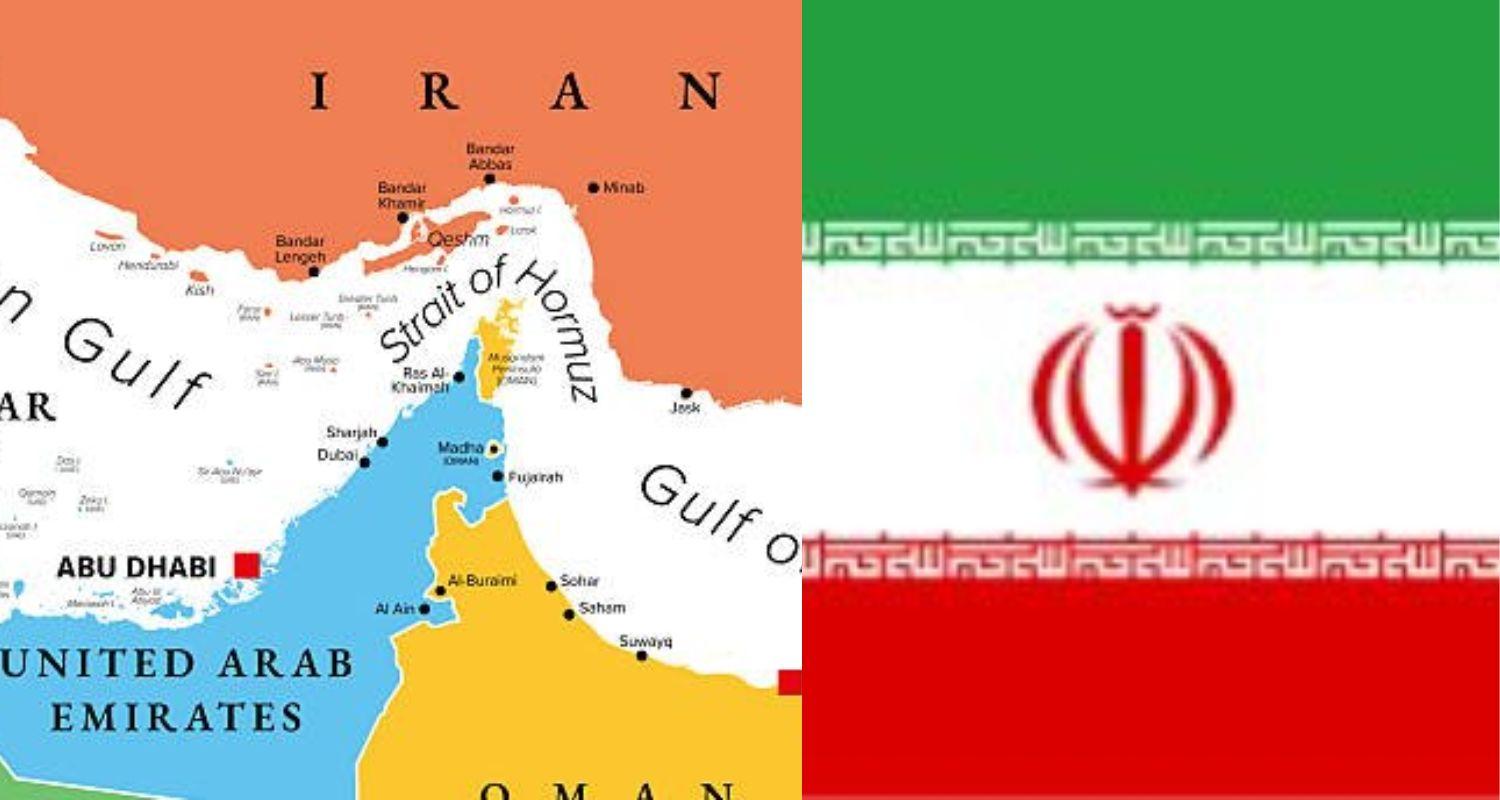
The Speaker of the Iranian Parliament, Mohammad Bagher Qalibaf, has launched a stinging attack on US President Donald Trump, accusing him of making "seven false claims in an hour" during a recent public address. The verbal broadside comes as Tehran continues to threaten the closure of the Strait of Hormuz in retaliation for what it describes as an ongoing American blockade—a direct contradiction of Trump’s recent insistence that the vital shipping route is "open for business."
While Qalibaf did not specify exactly which seven points he was disputing, his timing was pointed. While Trump delivered his speech at the event in Arizona, the Speaker used his social media account to make it clear that the strait would not be open if the blockade was still in place. "The truth about the Strait," said Qalibaf, "is going to be determined by 'on-the-ground actions,' not social-media declarations."
The rhetoric reflects an increasingly messy diplomatic landscape. Iran's Foreign Minister, Abbas Araghchi, recently, suggested that the Strait of Hormuz would remain open for commercial vessels. This softer tone was met with immediate internal resistance; as news agencies expressed blatant scepticism, noting that the minister’s comments had caused widespread confusion within Iranian society.
Meanwhile, the war of words has extended to the specifics of Iran’s nuclear capabilities. On Truth Social, President Trump claimed that Tehran had agreed to an "unlimited" suspension of its nuclear programme and would even hand over its "nuclear dust"—a colloquial reference to enriched uranium. Iranian officials have flatly denied these assertions. Despite the confusion, the markets have shown signs of optimism, with crude oil prices dipping even as actual traffic through the Strait of Hormuz remains thin.
Adding a further layer of complexity, Ebrahim Rezaei, spokesperson for Iran’s National Security Committee, told Al Jazeera that Parliament is currently drafting legislation to charge transit fees for vessels using the strait. As Trump signals a push for de-escalation, claiming that "enough is enough" regarding the bombing in Lebanon, the mixed signals from Tehran suggest that any real resolution remains hostage to a fierce battle over public opinion and maritime control.
Also read: Pak to host fresh round of US-Iran peace talks on Monday: Reports



 Follow us