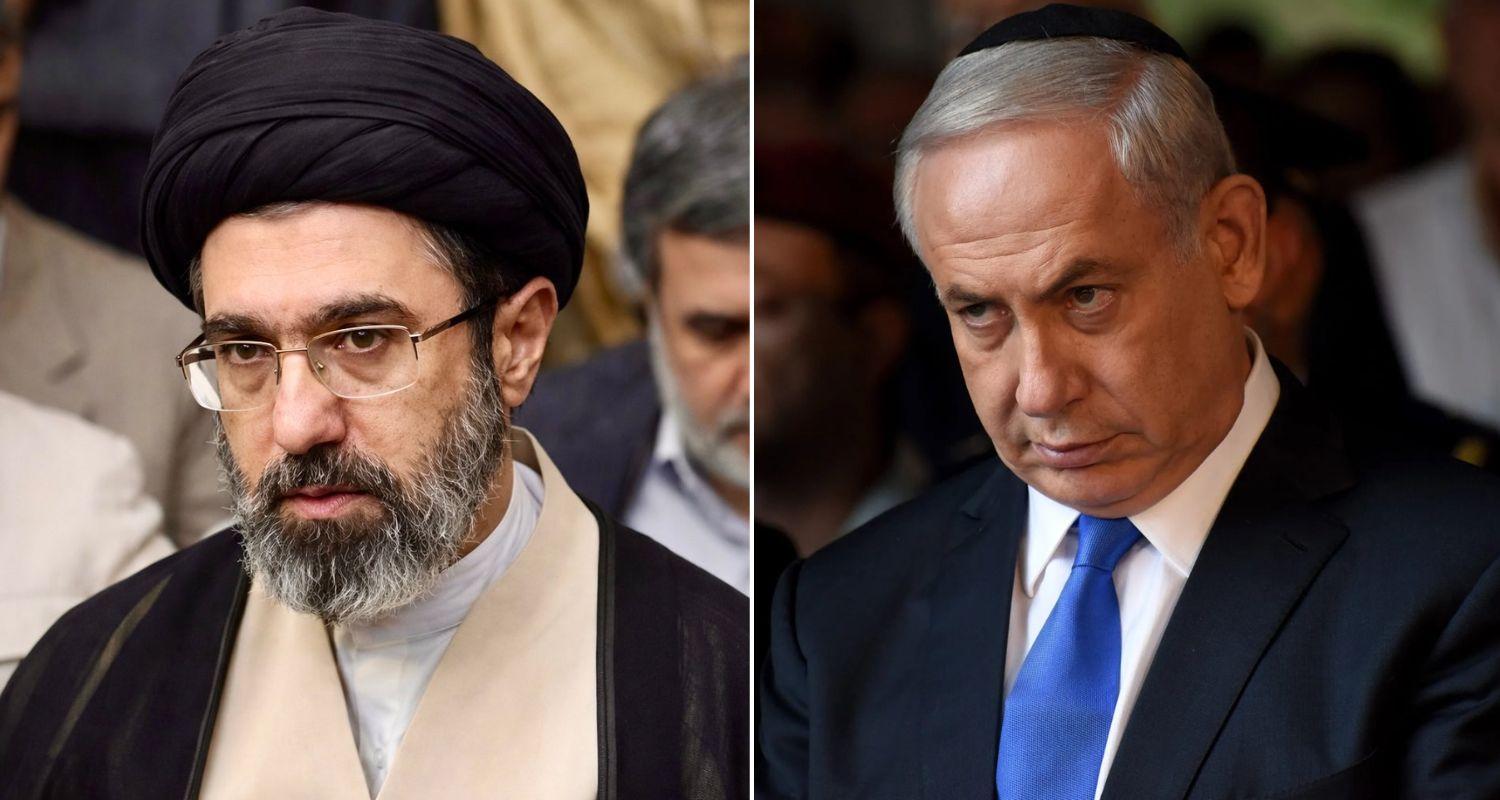
The old adage that "the devil you know is better than the one you don’t" has taken on a chilling resonance in the Middle East. After a relentless 40-day military campaign that saw the elimination of Ayatollah Ali Khamenei and his top officials, Israel and the US appear to have traded a familiar adversary for a far more volatile one. In a sobering closed-door briefing to the Knesset’s Foreign Affairs and Defence Committee on Friday, the Israel Defence Forces (IDF) warned that the new Iranian leadership is "more extreme" than the one it replaced.
This assessment is disastrous on two fronts. Firstly, it heightens the existential threat to Israel, suggesting that the decapitation of the previous regime has backfired. Secondly, it throws a shadow over global hopes for a ceasefire just as diplomatic efforts were gaining momentum. According to reports in The Times of Israel, the new figures in power have emerged directly from the Islamic Revolutionary Guard Corps (IRGC)— men described as far more "ideologically rigid" and less inclined toward pragmatism than their predecessors.
The human and economic toll of the last 40 days has been staggering. The global economy is already reeling from acute shortages in fuel and petrochemicals, while the military costs continue to mount. According to reports, the Israeli Air Force has flown well over 8,500 sorties and hit more than 4,000 targets in Iran. However, the US has had its assets worth millions of dollars destroyed, and it was compelled to mount a dangerous rescue operation for two downed airmen within Iranian borders.
However, despite Israel's scorched earth policy, its pessimistic intelligence on Iran indicates that Israel considers Iran as "unfinished business." This comes at a precarious moment; the White House has confirmed that peace talks are due to begin in Pakistan this Saturday, with a high-powered US delegation led by Vice President JD Vance and Jared Kushner. Tehran is expected to send Mohammad Bagher Ghalibaf, the speaker of Iran’s Parliament, to the table.
Parallel to the Iran talks, there is a flicker of hope on the Lebanese front, with senior officials suggesting a ceasefire meeting in Washington is on the cards for next week. However, if the IDF’s assessment of the new Iranian leadership holds true, these diplomatic overtures may be built on shifting sands. After weeks of destruction and global disruption, the terrifying reality is that the military campaign may have inadvertently birthed a regime that is even harder to negotiate with than the one it destroyed.
Also read: Doing very poor job: Trump warns Iran over Hormuz shipping fees



 Follow us