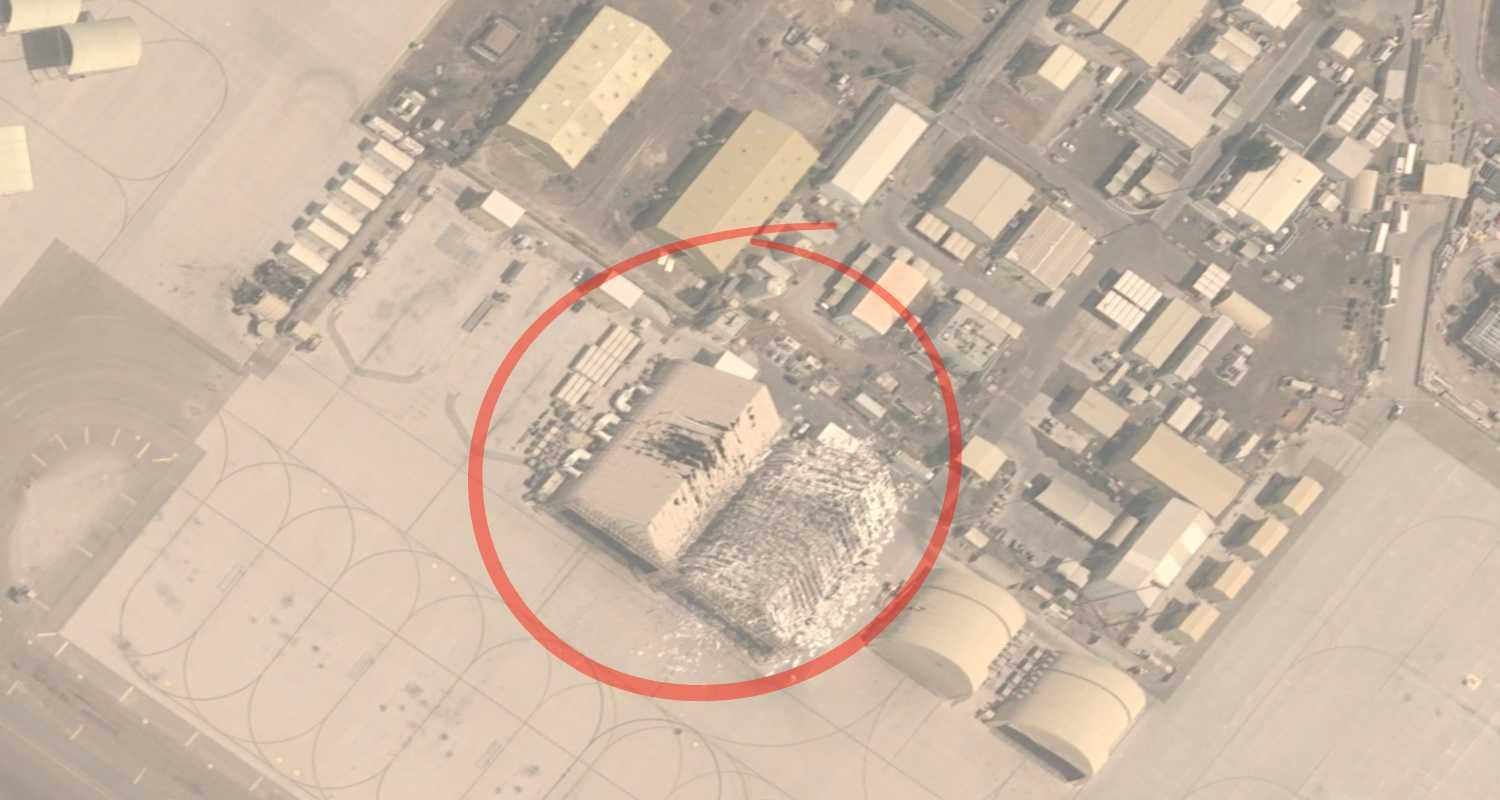
Iranian forces stepped up attacks on energy infrastructure across Gulf Arab states on Thursday, striking key sites in Qatar and Kuwait after Israel targeted its primary natural gas field. The escalation marks a significant intensification of the Middle East conflict and has led to a sharp rise in global fuel prices.
Fires broke out at a major liquefied natural gas (LNG) facility in Qatar after it was hit by Iranian missiles. Although production at the site had already been halted due to earlier strikes, officials said the latest attack caused extensive additional damage and large fires. The disruption could delay Qatar’s ability to resume exports even after the conflict subsides.
In Kuwait, a drone strike ignited a fire at the Mina Al-Ahmadi refinery—one of the region’s largest, with a production capacity of 7,30,000 barrels per day. Authorities reported no injuries. Meanwhile, in the United Arab Emirates, operations at the Habshan gas facility and the Bab oil field were suspended following overnight Iranian strikes, which officials described as a dangerous escalation.
Maritime risks also intensified. A ship caught fire off the UAE coast, while another vessel was damaged near Qatar. It remains unclear whether these ships were directly targeted or struck by debris from missile interceptions. The incidents highlight the ongoing threat to shipping in the Strait of Hormuz, a critical route for global oil supplies.
Also read: Iran strikes UAE, Saudi Arabia, Qatar and Bahrain
Qatar confirmed that firefighters had extinguished the blaze at its LNG facility, though significant damage remains. Across the Gulf, missile sirens sounded in multiple locations, and Israel warned of further incoming Iranian attacks. Saudi Arabia, Qatar and the UAE all condemned the strikes, with Saudi officials saying any remaining trust had been completely destroyed.
Oil markets reacted strongly, with Brent crude rising above $110 per barrel—an increase of more than 50 per cent since the conflict began on February 28 following US and Israeli strikes on Iran.
The latest Iranian attacks came in response to Israel’s strike on South Pars, the world’s largest natural gas field, jointly owned by Iran and Qatar. The field is vital to Iran’s energy supply, providing around 80 per cent of the country’s electricity generation. The strike also threatens domestic heating and cooking, which rely heavily on natural gas.
Analysts say targeting the gas field represents a major expansion of the conflict, as Israel appears to be increasing pressure on Iran by hitting critical infrastructure. Iran condemned the attack, warning of consequences that could spiral globally. In Washington, President Donald Trump stated that Israel would not strike the field again but warned that continued Iranian attacks on Gulf energy infrastructure could prompt a massive US response.
Elsewhere, Saudi Arabia reported intercepting Iranian drones aimed at its gas facilities. More than 20 vessels have been attacked since the conflict began, as Iran tightens its control over shipping through the Strait of Hormuz. While Tehran insists the waterway remains open, it has effectively restricted access for the US and its allies.
Amid the conflict, Iran also announced the execution of three men arrested during nationwide protests in January. They were accused of killing two police officers in Qom. Rights groups have long criticised Iran’s judicial process, alleging forced confessions and lack of fair trials.
The humanitarian toll continues to rise. More than 1,300 people have been killed in Iran, while Israeli strikes have displaced over one million people in Lebanon and led to the killing of 968. In Israel, Iranian missile attacks have killed 15 people, including a Thai agricultural worker. Three additional fatalities were reported in the West Bank following a missile strike overnight.


 Follow us