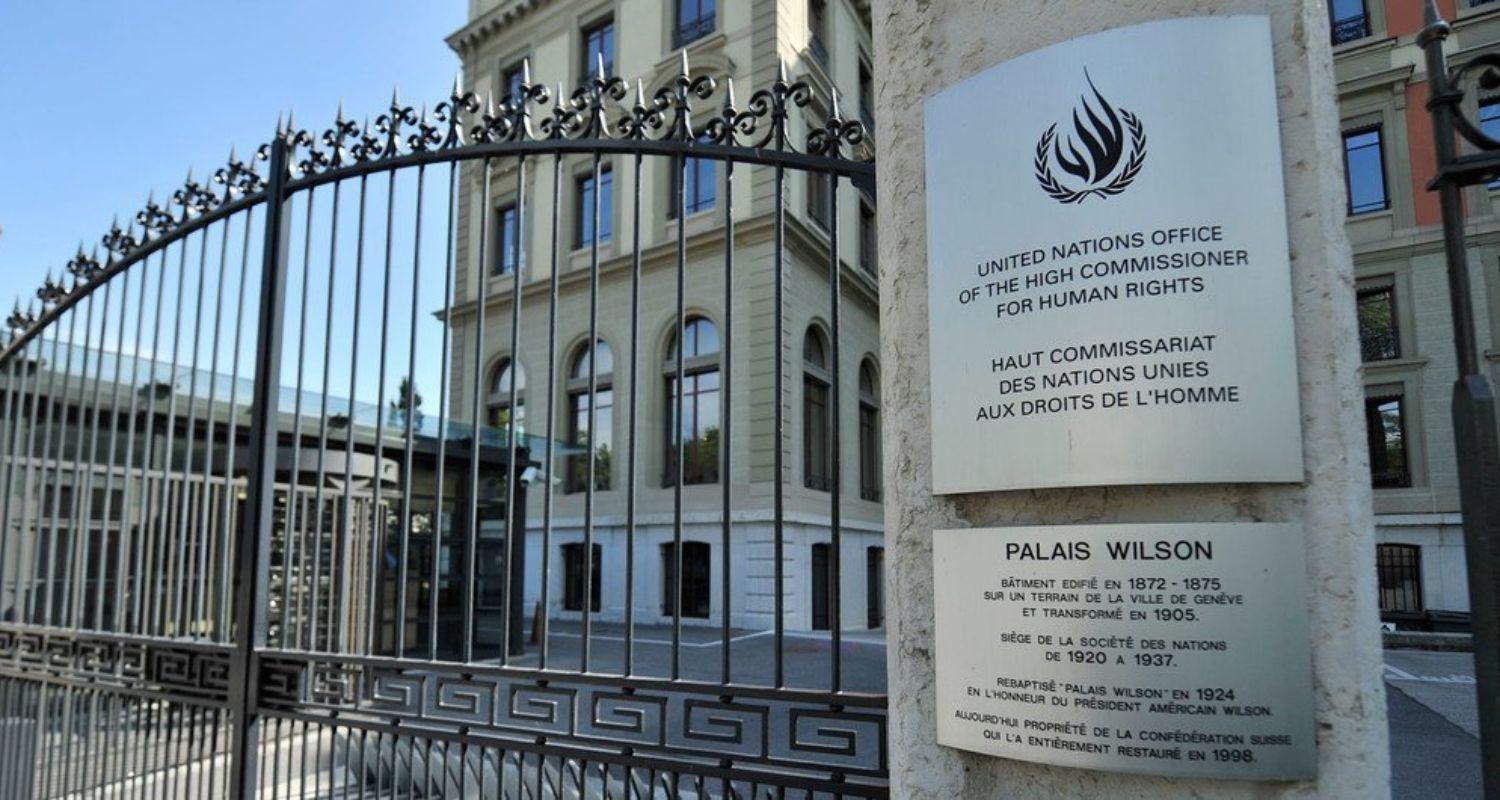
In a strangely paradoxical turn of events, on Human Rights Day, UN high commissioner for human rights, Volker Turk, said his Geneva office is “in survival mode” as it faces a mounting $90 million funding shortfall and staff cuts that could be more than 300 over the course of the year.
With most of Europe focused on the Russia-Ukraine war, countries including Britain, Finland, France and the United States, have lowered their contributions.
“Our resources have been slashed along with funding for human rights organisations, including at the grassroots level around the world,” Turk told reporters on Wednesday, adding that they were “in survival mode.”
Ironically, this comes at a time when the need for such organisations to intervene in countries like Colombia, Conga, Myanmar and Tunisia are rising, he added.
“My office has had about $90 million less than we needed this year, which means around 300 jobs have been lost and essential work has had to be cut,” Turk said.
Also Read: J&K MP observes hunger strike on Human Rights Day
After beginning the year with about 2,000 employees, the rights office has already cut 230 posts this year and is expected to cut between 70 and 80 more by year-end.
The member states had approved a budget of $246 million for the rights office this year, but ended up giving $67 million less than that, spokeswoman Marta Hurtado Gomez said in an email.
Additionally, the office had also appealed for extra-budgetary, or voluntary, funding for $500 million, but received half that. Having spent $273 million by year’s end, the office would be in deficit of another $23 million.
Many UN organisations, including the World Health Organisation, the UN refugee agency and the International Organisation for Migration – whose annual budgets are in billions – havehad to slash jobs and spending this year after top donors did not paid their UN dues in full or cut back foreign aid.
“We are all affected,” Turk said, adding that his office, in particular, has been “disproportionately affected” since it already had a much smaller budget.
“If you cut what is already very scarce, and if you cut this even further, then obviously it has a huge impact,” he rued.



 Follow us