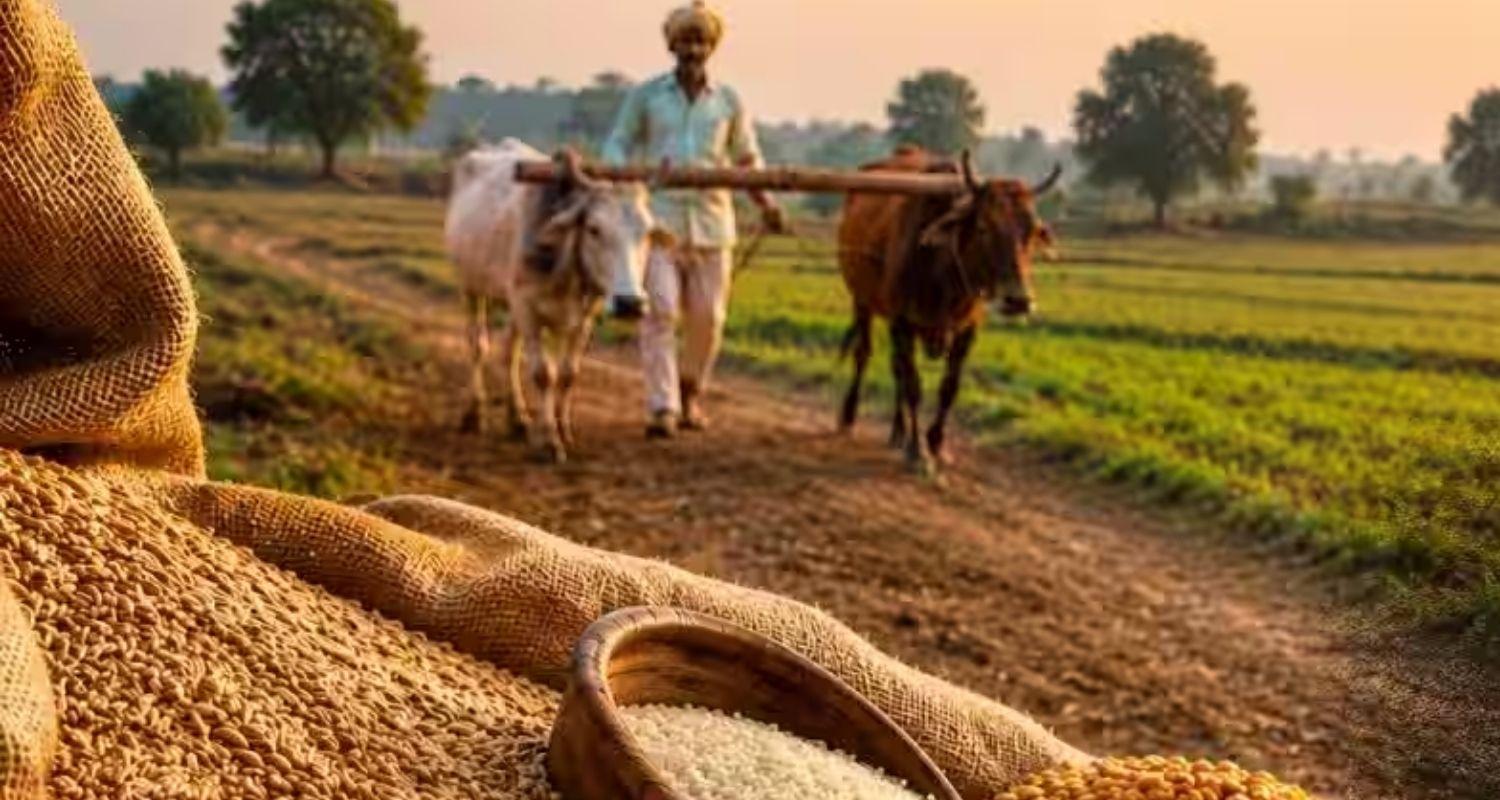
In a major push towards modernising the country’s public distribution system through technology-driven reforms and improved logistics, the Union Cabinet on Wednesday approved the continuation of the SARTHAK-PDS scheme for another five years with a financial outlay of Rs 25,530 crore until March 2031,
The decision was cleared by the Cabinet Committee on Economic Affairs (CCEA), chaired by Prime Minister Narendra Modi. The Cabinet also approved revised norms for Central assistance to states and union territories for the intra-state transportation and handling of foodgrain, along with enhanced margins for fair price shop (FPS) dealers, while keeping the existing funding pattern unchanged.
SARTHAK-PDS has been designed as an umbrella programme by merging two existing schemes — the “Assistance to State Agencies for Intra-State Movement of Foodgrain and FPS Dealers’ Margin under NFSA” and the “Scheme for Modernization and Reforms through Technology in Public Distribution System (SMART PDS).” The integration aims to streamline the implementation of the National Food Security Act, 2013 (NFSA) by combining financial support mechanisms and technology-based reforms under one framework.
Addressing reporters after the Cabinet meeting, Union Information and Broadcasting Minister Ashwini Vaishnaw said the scheme would cover the entire public distribution network, from beneficiary identification to foodgrain transportation and citizen feedback systems.
“Right from selection of beneficiaries to movement of foodgrains, to getting proactive feedback from citizens, to reducing transportation distance — all those activities have been approved with an outlay of Rs 25,530 crore for five years,” Vaishnaw said.
He noted that many state governments had been struggling to bear the transportation costs associated with delivering foodgrains to fair price shops. Under the revised scheme, the Centre will provide support for such logistics expenses while also increasing remuneration for FPS dealers.
Vaishnaw clarified that SARTHAK-PDS is not intended to replace the existing public distribution system, but rather to introduce structural reforms across procurement, logistics, transportation, grievance redressal and service delivery. The programme seeks to ensure efficient last-mile delivery of subsidised foodgrains while reducing leakages and improving transparency.
A major feature of the scheme is its emphasis on advanced technology integration. The government plans to deploy Artificial Intelligence (AI), Machine Learning (ML), Natural Language Processing (NLP) and Blockchain technologies to strengthen PDS operations and monitoring systems.
The initiative will include creation of unified databases, standardised digital architecture and real-time monitoring systems for the food distribution network. It also proposes AI-based grievance redressal systems, advanced analytics tools and State Command Control Centres to facilitate data-driven governance and operational oversight. ISO-certified process frameworks are also expected to be implemented to ensure transparency, security and long-term sustainability.
Also read: India, Canada look to conclude trade pact talks by year-end
The scheme is closely linked to the government’s commitment under the NFSA, which currently covers around 81.35 crore beneficiaries across the country. In an official statement, the government said the programme reflects its commitment to ensuring food and nutritional security for citizens through the supply of adequate quantities of quality foodgrains.
SARTHAK-PDS builds upon more than a decade of reforms in the public distribution system, including end-to-end computerisation of the Targeted Public Distribution System (TPDS), the Integrated Management of PDS (IM-PDS), and SMART PDS initiatives. Several citizen-oriented platforms such as Mera Ration, Anna Mitra, the Rightful Targeting Dashboard and Anna Sahayata have also contributed to improving transparency and accessibility in food distribution.
Since April 1, 2023, the SMART PDS programme has played a key role in digitising the food distribution system nationwide. Measures introduced under the scheme include digitised ration cards, Aadhaar integration, automation of fair price shops through electronic Point of Sale (e-PoS) devices, online foodgrain allocation systems and computerised supply-chain management across all states and union territories



 Follow us