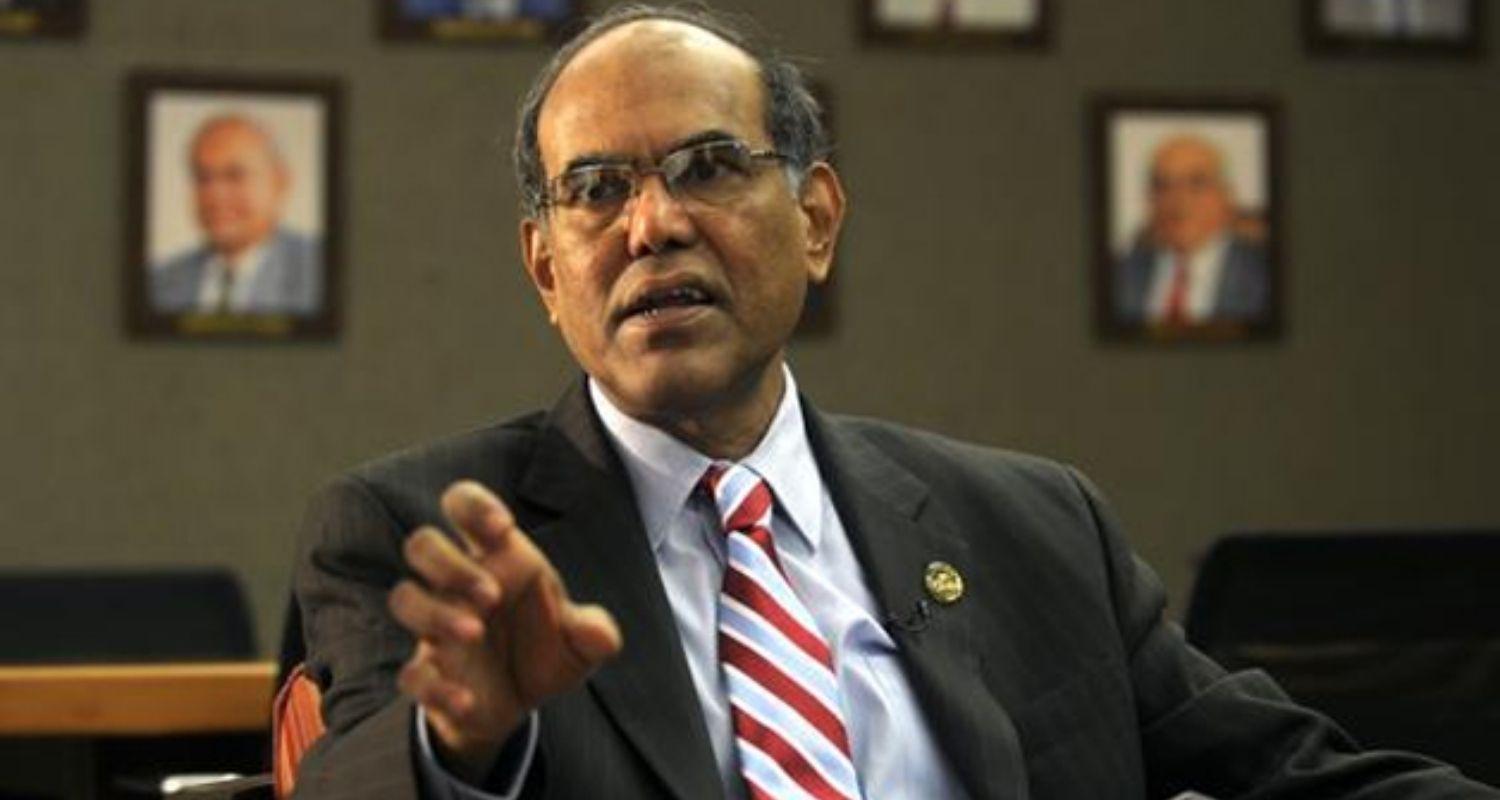
Former Reserve Bank of India (RBI) Governor Duvvuri Subbarao has said the central bank should permit some further depreciation of the rupee to help absorb external economic shocks and rely on liquidity management tools, rather than immediate interest rate hikes, if inflationary risks begin to intensify.
In remarks made ahead of the Monetary Policy Committee’s second meeting for FY27, Subbarao said monetary policy should be used only as a “last resort” when defending the exchange rate. “RBI may, of course, tighten monetary policy if it believes that such action is justified by inflation concerns,” said Subbarao, who served as RBI governor from 2008 to 2013.
The former RBI chief said the rupee should be allowed to adjust gradually instead of being aggressively defended, especially since the current pressures are linked to weakening external balances. “The rupee should be allowed to adjust rather than be rigidly defended because the current pressures reflect a deterioration in India’s external balance. A weaker rupee acts as a natural shock absorber,” he said.
The Indian currency has faced sustained pressure amid geopolitical uncertainties and the ongoing West Asia crisis. Earlier this month, the rupee touched an all-time low of 97.15 against the US dollar. Market data indicates that the rupee has weakened by nearly 5 per cent since the beginning of the West Asia conflict, around 6.1 per cent since the start of the year, and more than 10 per cent over the past one year. Subbarao said managing exchange-rate stability during periods of stress is largely about maintaining confidence among investors, businesses and households.
Also read: LIC aims to improve returns from real estate
“Exchange-rate crises are ultimately crises of confidence. If investors, importers and households begin to expect that the rupee will weaken further, they react in ways that can accelerate the decline. Exporters may delay repatriating earnings, importers rush to buy dollars, households shift towards gold, and investors hedge aggressively,” he explained. “That is why communication becomes as important as intervention. Policymakers must act decisively, but without appearing nervous or overly defensive,” he added.
According to Subbarao, the RBI’s Monetary Policy Committee currently faces a difficult balancing challenge with very limited room for manoeuvre.
He noted that reducing interest rates to support economic growth could worsen inflation and put additional pressure on the exchange rate, while sharp increases in rates could slow economic activity and adversely affect GDP growth.
The RBI’s Monetary Policy Committee is scheduled to meet from June 3 to June 5 to decide on the benchmark policy rate. The upcoming review is considered significant because rising crude oil prices in the global market have already pushed up domestic retail fuel prices, adding to inflationary pressures.
At its previous meeting in April, the MPC had unanimously decided to maintain status quo on policy rates. Since last year, the RBI has cumulatively reduced the repo rate by 1.25 percentage points in an effort to support economic growth, taking advantage of moderating inflation trends. The repo rate currently stands at 5.25 per cent.
Subbarao said the more prudent course for the RBI at the moment would be to pause and evaluate whether inflationary pressures spread more broadly through the economy instead of responding immediately with aggressive rate hikes.
“A pause in interest rate tightening may be appropriate at this stage because the situation is unusually complex, involving the simultaneous management of growth, inflation and exchange-rate stability,” he observed.
However, he cautioned that if inflation begins to strengthen significantly, the central bank may eventually need to intervene more firmly. “In that situation, the initial tightening should preferably come through liquidity management measures rather than direct increases in policy rates,” Subbarao added.



 Follow us