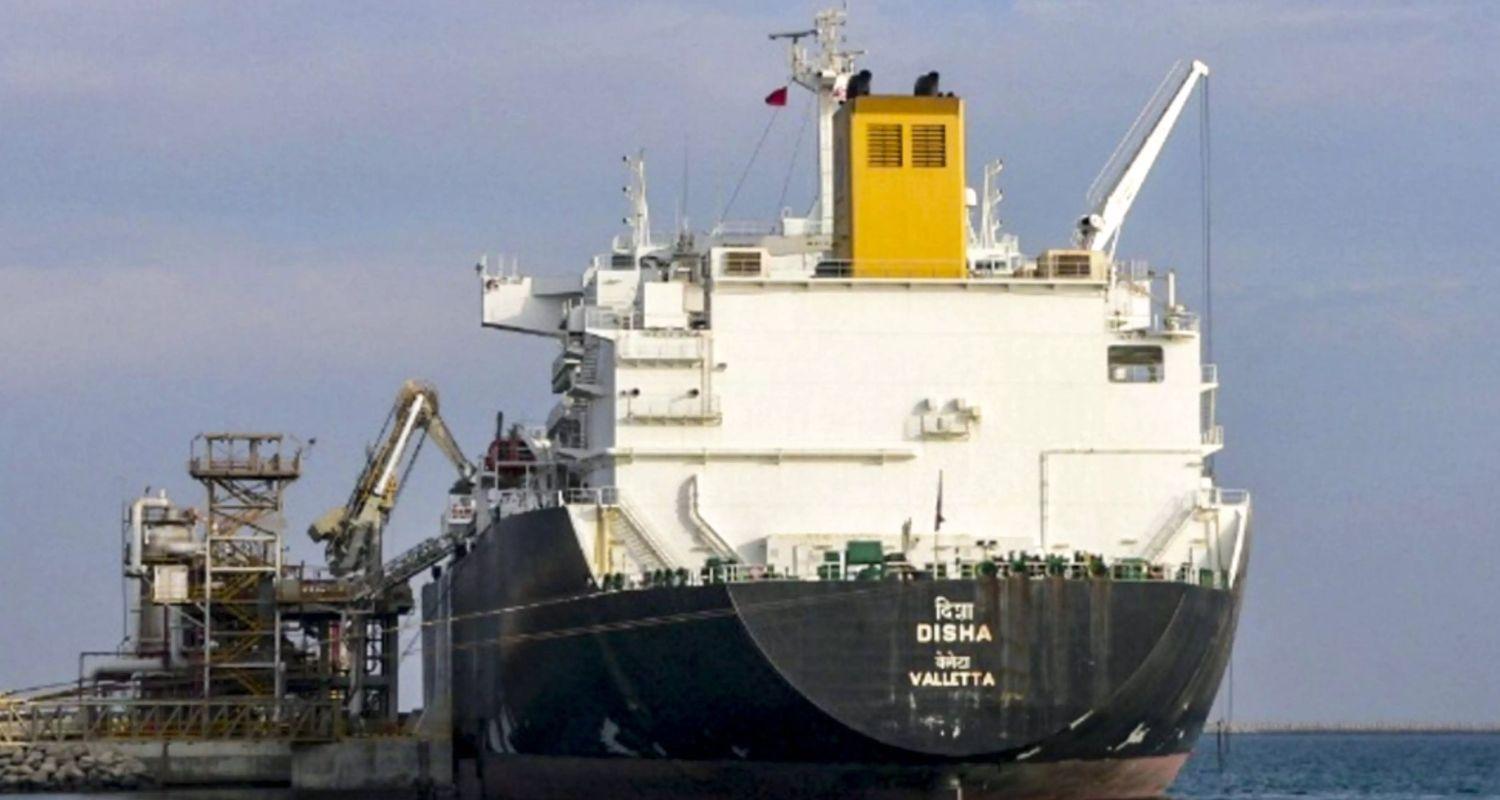
The government has withdrawn most of the emergency provisions governing natural gas supply that were introduced during the West Asia conflict, following the resumption of liquefied natural gas (LNG) shipments through the Strait of Hormuz after a ceasefire eased regional tensions.
In a notification issued on Saturday, the Ministry of Petroleum and Natural Gas amended the Natural Gas (Supply Regulation) Order, 2026, removing key operational provisions that had empowered the government to direct the sale and allocation of all domestically produced natural gas and imported LNG according to a revised priority list of consumers.
The original order, issued on March 9 under the Essential Commodities Act, was introduced after the conflict in West Asia disrupted LNG shipments through the Strait of Hormuz, with several suppliers invoking force majeure clauses and diverting cargoes to priority markets.
According to the ministry, the situation has since stabilised, with a ceasefire in effect, negotiations continuing between the concerned parties, and commercial maritime traffic through the Strait of Hormuz resuming.
The gas supply restrictions were one of three emergency measures introduced after energy supplies from the Gulf came under threat due to the effective closure of the Strait of Hormuz following US and Israeli strikes on Iran on February 28 and Tehran's subsequent retaliatory attacks.
The remaining two emergency measures—directing oil refiners to maximise LPG production by diverting feedstock away from petrochemical units and restricting diesel sales to bulk consumers—had already been withdrawn as energy supplies gradually normalised.
India, the world's third-largest importer and consumer of crude oil, imports nearly 88 per cent of its crude oil requirements and around half of its natural gas demand.
Around 40-45 per cent of India's crude oil imports and nearly 65 per cent of its LNG supplies originate from West Asia, highlighting the country's dependence on uninterrupted shipping through the Strait of Hormuz, the key transit route for Gulf energy exports.
Concerns over disruptions in the strategic waterway prompted the government to invoke emergency powers in March to safeguard domestic fuel availability and ensure continuity of natural gas supplies.
While India was able to diversify crude oil procurement by sourcing additional supplies from alternative producers, natural gas imports remained particularly vulnerable because a majority of LNG shipments from Qatar transit through the Strait of Hormuz.
The disruption prompted several suppliers to invoke force majeure, leading the government to introduce emergency allocation measures to ensure uninterrupted gas supplies for essential sectors.
The March order authorised the Centre to direct sector-wise allocation and diversion of domestic natural gas, imported LNG and regasified LNG to safeguard supplies for priority consumers after force majeure declarations disrupted normal contractual deliveries during the West Asia crisis.
Also read: India has entered new era of semiconductors: Ashwini Vaishnaw
Under the emergency framework, supplies to piped natural gas (PNG) households, compressed natural gas (CNG) used for transportation, LPG production and pipeline operations were maintained at 100 per cent of their average consumption over the previous six months.
Fertiliser manufacturers were assured 70 per cent of their average gas requirements, while industrial consumers connected to the national gas grid and city gas distribution networks were guaranteed 80 per cent of their average consumption, subject to operational availability.
To ensure these priority allocations, the government authorised reductions in gas supplies to petrochemical plants and power generation units, while directing oil refiners to limit gas consumption to around 65 per cent of their average usage wherever operationally feasible.
The order also designated state-run GAIL, in coordination with the Petroleum Planning and Analysis Cell (PPAC), to pool and redistribute available gas supplies, determine a pooled price for diverted gas, and oversee implementation of revised allocation schedules.
Gas producers, LNG importers, marketers, pipeline operators and city gas distribution companies were instructed to comply with the revised supply arrangements, with the emergency provisions taking precedence over existing gas sale agreements and commercial contracts.
The government said these extraordinary measures were no longer necessary as the conflict that had disrupted LNG shipments through the Strait of Hormuz had eased following a ceasefire, negotiations were continuing, and maritime traffic through the strategically important waterway had resumed.
"The ongoing conflict in the Middle East that had resulted in the disruption of liquefied natural gas shipments through the Strait of Hormuz has been subject to a ceasefire, and negotiations are ongoing, as part of which, sea traffic through the Strait of Hormuz has been permitted to be resumed," the ministry said in its notification.
In view of these developments, the government said it is omitting the provisions of the March 9 emergency order that had mandated priority allocation of all available domestic natural gas and imported LNG supplies.



 Follow us