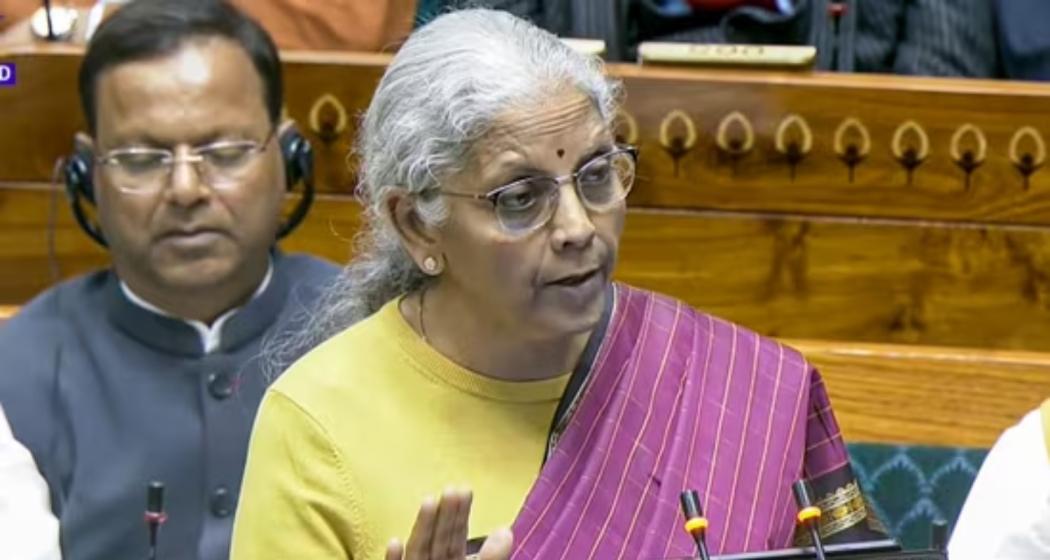
The Union government on Sunday announced the development of an East Coast Industrial Corridor, with a key node at Durgapur in West Bengal, alongside plans to create five tourism destinations across five ‘Purvodaya’ states, as part of the Union Budget 2026–27 presented by Finance Minister Nirmala Sitharaman.
Unveiling the proposals in Parliament, Sitharaman also announced a new scheme for the development of Buddhist circuits in six northeastern states, Arunachal Pradesh, Sikkim, Assam, Manipur, Mizoram and Tripura, aimed at strengthening religious tourism and preserving heritage sites.
“I propose the development of an East Coast Industrial Corridor with a well-connected node at Durgapur, creation of five tourism destinations in five Purvodaya states, and the provision of 4,000 e-buses,” the Finance Minister said while outlining key infrastructure and tourism initiatives.
The announcements come against the backdrop of the Purvodaya initiative, unveiled in September 2024 to mark 100 days of the Modi government 3.0, under the broader Viksit Bharat 2047 vision. The programme focuses on the all-round development of India’s eastern region, covering Bihar, Jharkhand, West Bengal, Odisha and Andhra Pradesh.
Also read: 6-month foreign asset disclosure scheme for small taxpayers
Purvodaya aims to accelerate growth through human resource development, infrastructure expansion and enhanced economic opportunities, positioning the eastern states as a major growth engine in India’s long-term development strategy.
Highlighting the cultural and spiritual significance of the Northeast, Sitharaman described the region as a “civilisational confluence” of Theravada and Mahayana or Vajrayana traditions of Buddhism.
“I propose to launch a scheme for the development of Buddhist circuits in Arunachal Pradesh, Sikkim, Assam, Manipur, Mizoram and Tripura. The scheme will cover preservation of temples and monasteries, pilgrimage interpretation centres, and pilgrim amenities,” she said.
Several northeastern states host historic monasteries and ancient Buddhist sites, with the proposed initiative expected to boost heritage conservation, pilgrimage tourism and local livelihoods.



 Follow us