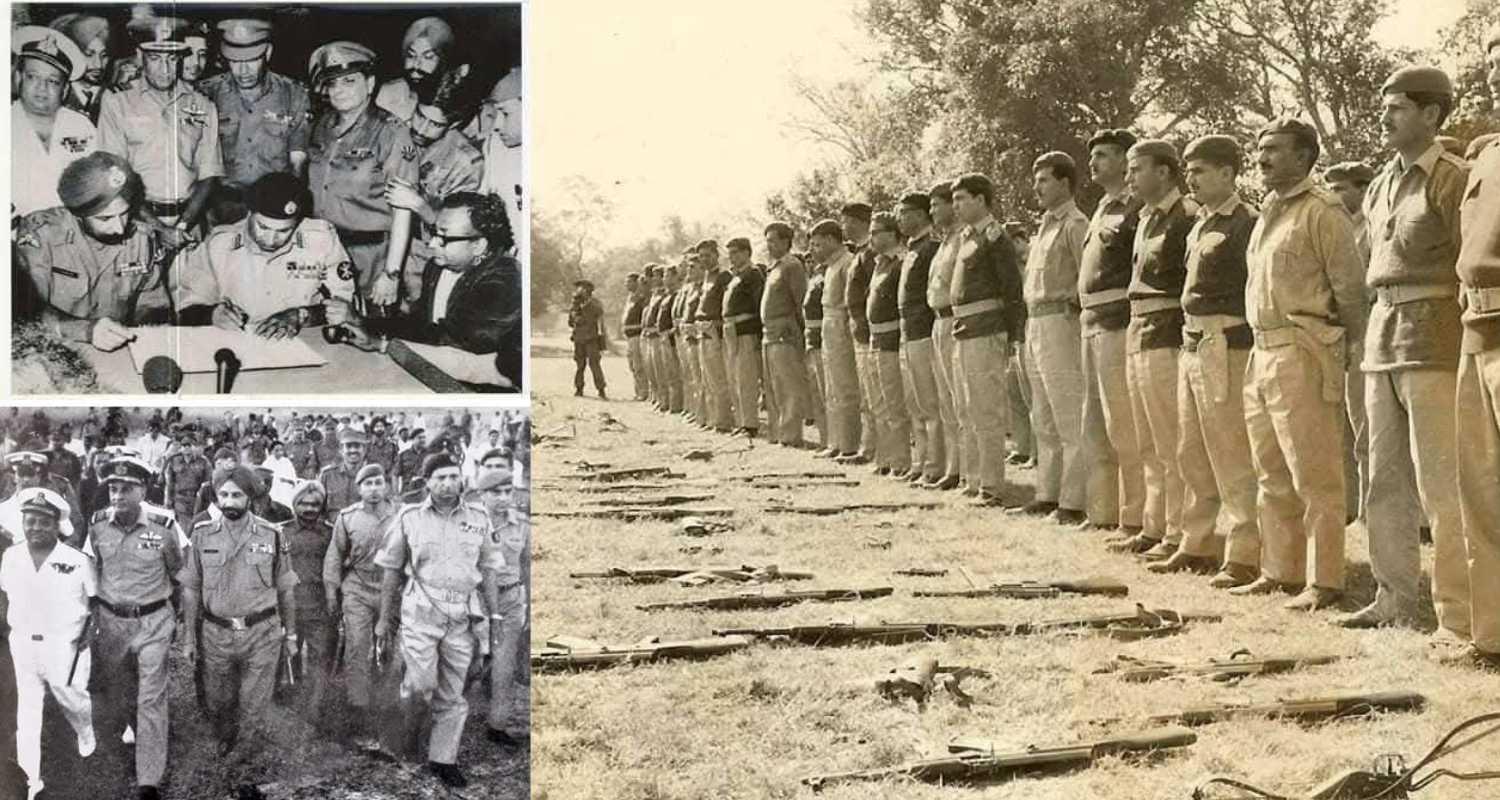
Thirteen days, all it took was this much time to change the course of history in the geopolitics of South-Asia, marking the birth of a nation. The 1971 war between India and Pakistan stands as one of the greatest chapters in history, resulting in the brutal yet necessary birth of Bangladesh, and marking the largest military surrender since World War II. This monumental victory is celebrated annually on December 16 as ‘Vijay Diwas’ in India, commemorating the moment when a massive force of 93,000 Pakistani soldiers surrendered in front of the Indian Armed Forces, hence, freeing ‘East Pakistan’, making it an independent nation (now Bangladesh).
The date was December 16, 1971. The place was the Ramna Race Course in Dhaka. Lieutenant General AAK ‘Tiger’ Niazi, the leader of Pakistan’s Army in the East, was seated there, not happily. In front of him was the formal paper to end the war. Opposite him sat the victorious Indian officer, Lieutenant General Jagjit Singh Aurora, with leaders of the Bangladeshi freedom fighters, the Mukti Bahini. Behind Niazi stood 93,000 Pakistani soldiers. The moment for the world's biggest military surrender since the Second World War was about to happen, and it did.
This despicable defeat of Pakistan’s forces is forever etched in history. Credit for India’s victory also goes to Field Marshal Sam Manekshaw. His unmatched leadership and fearless decisions shaped modern India's military legacy.
The 1971 conflict was not a matter of a sudden territorial dispute but the violent climax of two decades of systemic oppression that tore the unified nation of Pakistan apart. The core reason was the vast political, economic, and cultural disparity between the two wings. Despite East Pakistan (now Bangladesh) having a larger population, West Pakistan's elite monopolised political power, administrative control, and military leadership. This political marginalisation was coupled with severe economic exploitation — resources, foreign aid, and development funds were overwhelmingly funneled into the West, turning the resource-rich East into what many Bengalis saw as a colony.
Culturally, West Pakistan 'tried to impose' Urdu as the only national language. This was considered as an assault on the vibrant Bengali identity, further fueling the Language Movement and the push for autonomy.
The final spark was post the 1970 General Elections, when the Awami League, led by Sheikh Mujibur Rahman, won a decisive majority across all of Pakistan, yet was denied the right to form a government by the ruling West Pakistani establishment. This denial triggered massive civil unrest, which the Pakistani military violently suppressed with Operation Searchlight — a brutal crackdown that forced millions of Bengali refugees into India, ultimately compelling India to intervene on both humanitarian and strategic grounds, leading to the full-scale war.
What happened after the war?
Astonished Pakistani forces officials were desperate to know the reason behind this ‘shameful’ defeat. So, Zulfikar Ali Bhutto, the new head of Pakistan, chose Chief Justice Hamoodur Rahman to lead an official team looking into the reasons for the war, identify them, and take required actions against them.
Hamoodur Rahman Commission (HRC) began its work in 1972 and submitted its main report in 1974. However, it was the supplementary report—especially the chapter titled “Moral Aspects”—that caused widespread shock in Pakistan. The commission delivered a harsh and clear verdict — Pakistan’s defeat was not only due to military failures but also because senior generals were deeply involved in corruption, excesses, and immoral conduct to the extent that they had lost their professionalism and sense of duty as soldiers.
India’s 1971 Param Vir Chakra Awardees —
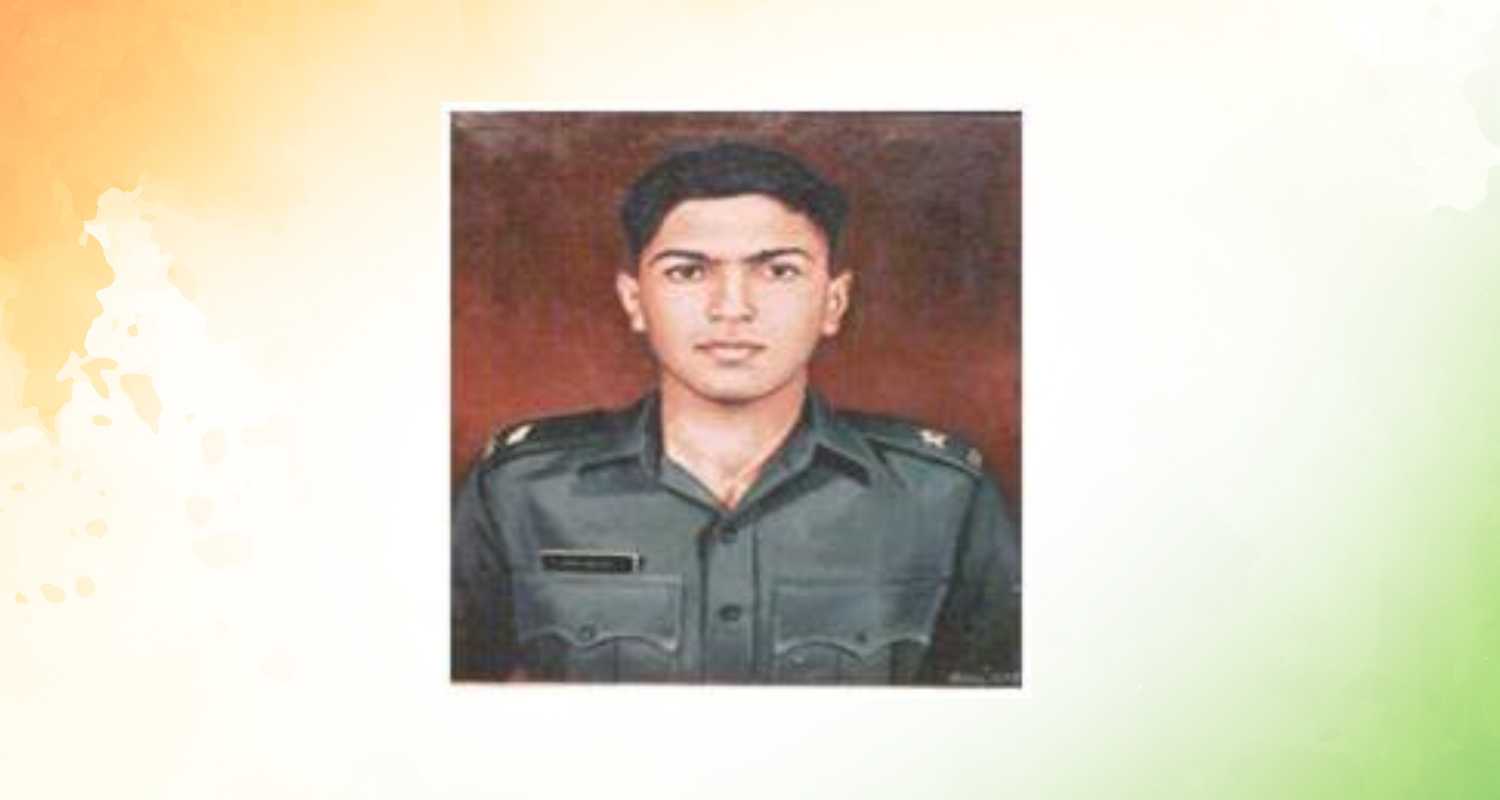
- 2nd Lt. Arun Khetarpal (Posthumous): Honoured for his bravery during the Battle of Basantar, where he destroyed multiple enemy tanks despite his own tank being on fire and still refused to leave the battlefield, and fought.
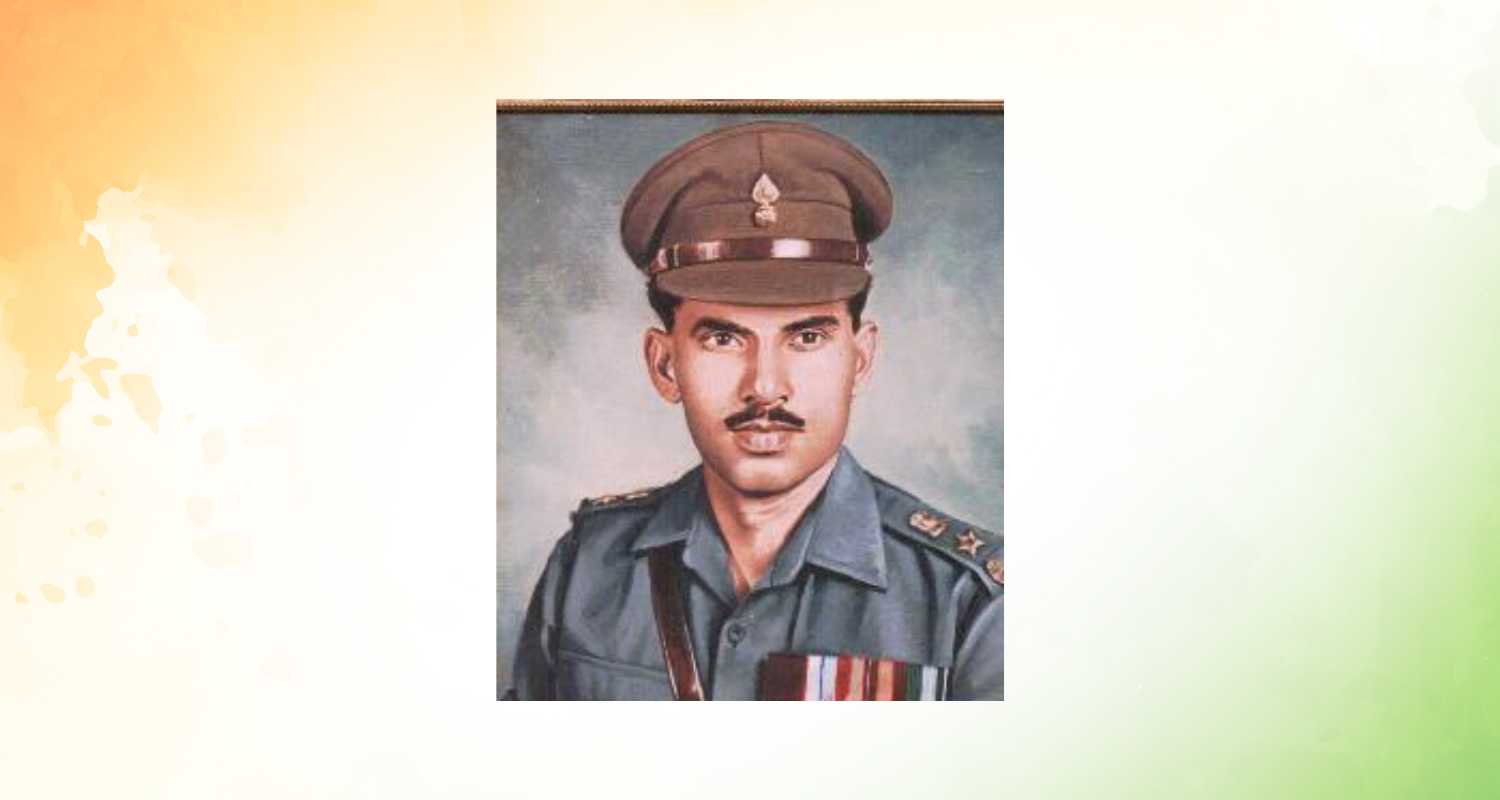
- Major Hoshiar Singh Dahiya (Posthumous): He was recognised for exceptional leadership in the Battle of Jaurian, where he continued to fight and operate a damaged machine gun even after being seriously wounded.
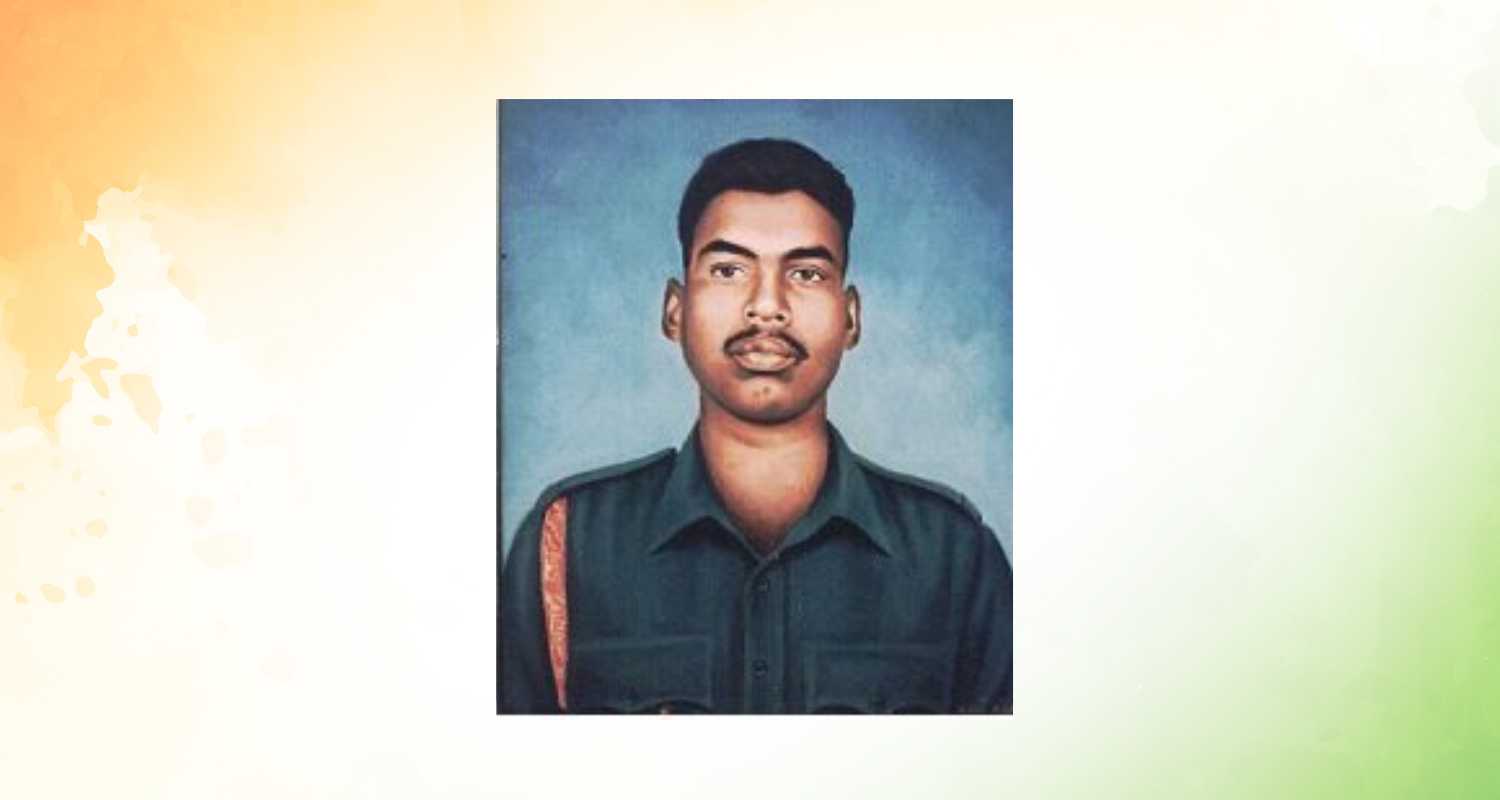
- Lance Naik Albert Ekka (Posthumous): Awarded for his courage in the Battle of Hilli, where he cleared enemy defences and captured a machine gun post under intense fire, forcing the enemy to retreat.
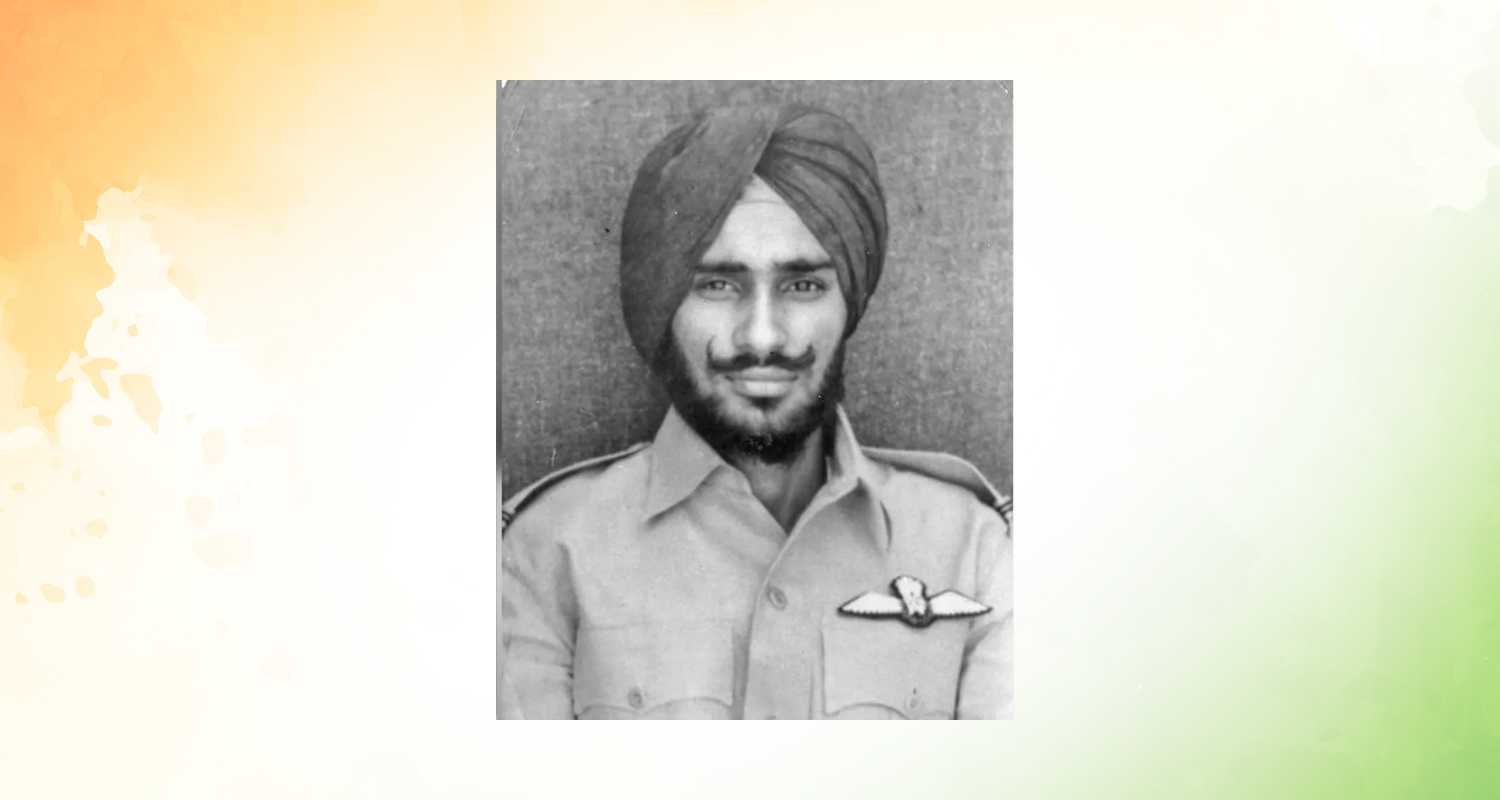
- Flying Officer Nirmal Jit Singh Sekhon (Posthumous): The only Indian Air Force (IAF) officer to receive the PVC, honoured for single-handedly engaging enemy aircraft over Srinagar before being shot down.



 Follow us