The Indian rupee weakened to its lowest level on record on Wednesday, touching 90 per US dollar during early trade, marking the first time the currency has ever crossed this psychological threshold.
The depreciation had been building for several weeks, driven by persistent outflows of foreign capital from Indian equity and debt markets combined with a broad-based strengthening of the US dollar against most major currencies.
Traders noted that while the direction of the move was widely anticipated, the pace of the decline took many participants by surprise. The Reserve Bank of India (RBI) was widely believed to have intervened in the forex market to curb excessive volatility, yet the rupee struggled to stage any meaningful recovery through the remainder of the trading session.
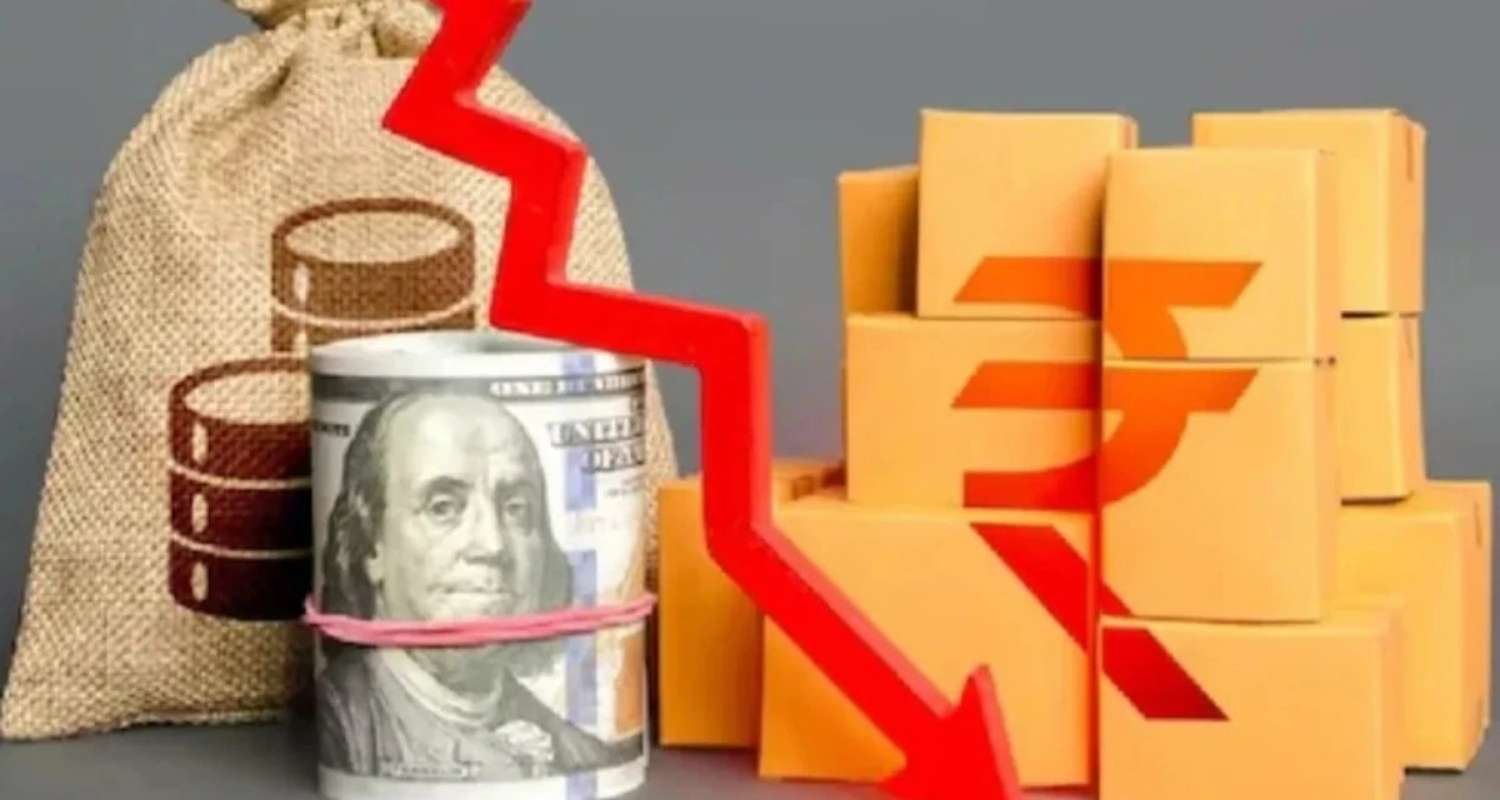
Multiple factors have converged to drive the rupee to this historic low. Foreign portfolio investors have continued to withdraw funds from Indian markets, pending trade negotiations between the United States and India have injected additional uncertainty, and the broader global risk environment has tilted firmly in favour of the US dollar as a safe-haven asset.
Taken together, these elements have left the rupee particularly vulnerable and lacking robust underlying support.
A sharply weaker currency carries immediate and tangible consequences for both households and businesses. Import costs rise significantly, with the impact felt most acutely in crude oil, electronics, gold, and a wide range of industrial raw materials and components. Indian firms with unhedged foreign-currency borrowings face higher debt-servicing burdens as their rupee-denominated repayment obligations swell.
Also Read: Rupee inches close to 90-mark against USD after 7-paise fall
Indian students pursuing education abroad and families planning international travel experience an almost immediate squeeze on their budgets. While exporters may benefit marginally from improved price competitiveness, the broader macroeconomic pressure from elevated import bills and potential inflationary spillovers tends to outweigh those gains.
Analysts expect the rupee to remain volatile in the near term unless there is a meaningful reversal in foreign portfolio flows or a notable easing in adverse global conditions.
Market participants are now closely monitoring whether the Reserve Bank of India will opt to defend the 90-per-dollar level more aggressively in the sessions ahead. For the moment, the breach of this closely watched symbolic threshold serves as a clear indication that downward pressure on the Indian rupee is far from over.
Also Read: Rupee at all-time low of 89.85 against USD



 Follow us